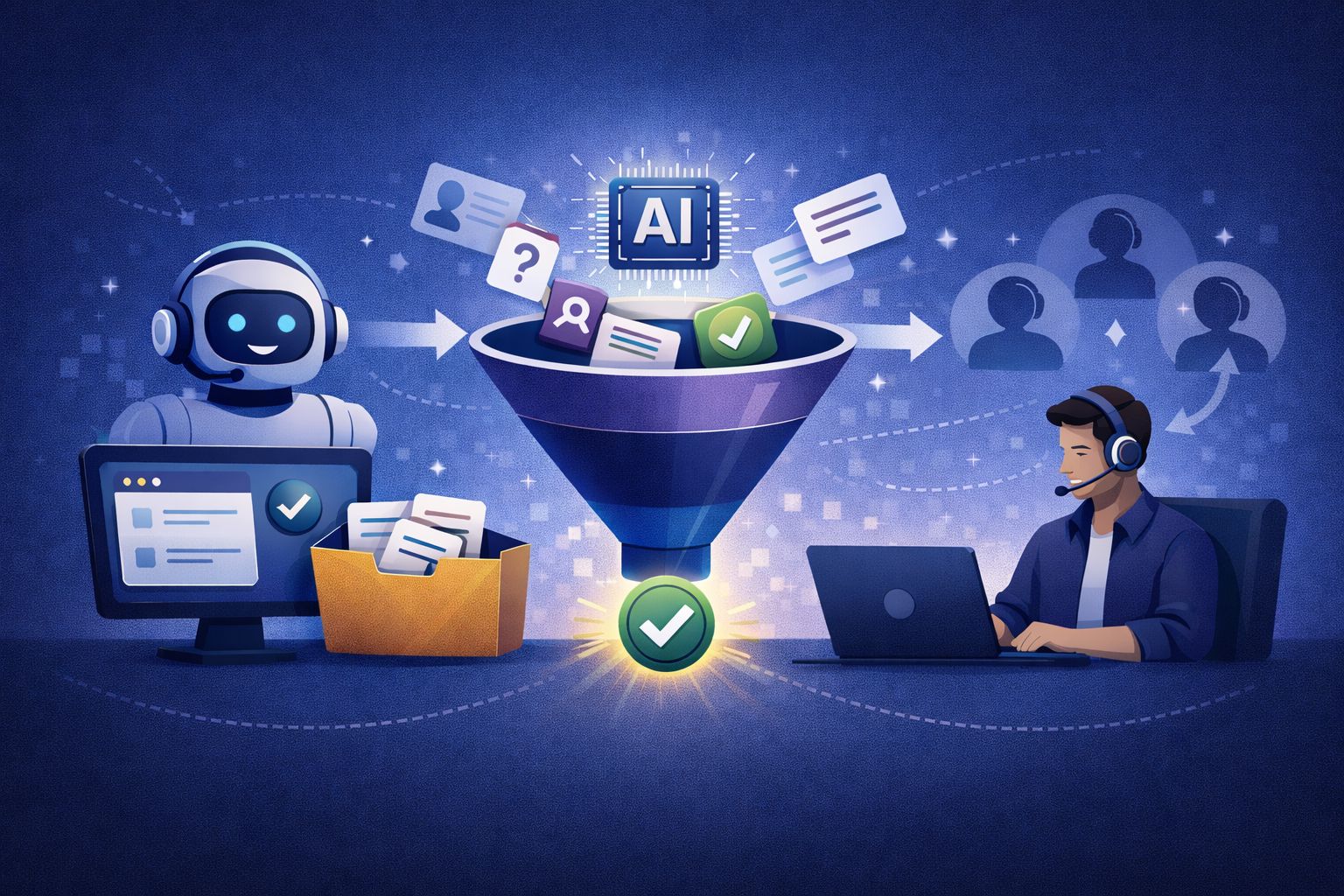
Customer relations is all about the company-wide methods and processes businesses use to build and keep long-term relationships with their customers. It's not just the job of one department—it covers every single interaction, from marketing campaigns to support calls, that shapes how people see your brand.
Every touchpoint matters. Whether it's an email, a product delivery, a social media reply, or a quick support chat, each one becomes a chance to either win loyalty or lose it to a competitor.
A lot of companies mix upcustomer relationswith customer service. That's a mistake. When you treat customer relations as a philosophy, not just a reaction, you start to see every moment as a strategic opportunity.
These moments add up. They decide if people stick around or jump ship.
Getting good at measuring and improving customer relations brings real benefits—think retention rates, higher customer lifetime value, and better profitability. But it takes more than good intentions. You need the right actions, tech, team, and a system for capturing feedback that actually leads to change.
Why Customer Relations and Customer Service Aren't the Same Thing
Customer service is about fixing problems as they pop up. Customer relations, though, is about building something that lasts—preventing issues, earning loyalty, and making people want to come back.
Both matter, but they're not interchangeable.
When Customer Service Solves Problems (Reactive Support)
Customer service is your first line of defense when customers run into trouble. It's reactive. People call, email, chat, or message on social, and the team jumps in.
The goal? Solve the problem, fast. That could mean processing a return, answering a question, troubleshooting a glitch, or sorting out a billing mess.
Common Customer Service Tasks:
- Technical troubleshooting and problem diagnosis
- Returns processing and refund requests
- Product specification questions
- Order status inquiries
- Account access issues
Along the way, service reps gather a ton of feedback. Those repeated complaints or common questions? They can point to bigger issues—maybe a confusing instruction manual or a product flaw.
Customer service responds after the customer acts. It's necessary, but on its own, it doesn't create those deep connections that keep people loyal.
How Customer Relations Builds Long-Term Loyalty (Proactive Strategy)
Customer relations is a bit different—it looks ahead. Instead of waiting for problems, it's about understanding what customers want and making their experience great from the start.
This is where loyalty programs come in. Rewarding people for sticking around—points, VIP perks, early product drops—keeps them engaged.
Personalized communication is another big piece. Tailored newsletters, product recommendations, and content that actually matters to the customer show that you care about their success, not just their wallet.
Proactive Customer Relations Strategies:
Customer success initiatives help people get the most out of what they bought. Instead of waiting for them to get frustrated, you offer guidance, resources, and check-ins.
The real magic? People start to feel emotionally connected to your brand. They stick around, even if a competitor tries to lure them away with a discount.
What Your Business Gains from Strong Customer Relationships
Strong customer relationships pay off. They boost your bottom line and make your brand stand out. And, believe it or not, they even make your team happier.
Revenue Growth Through Retention and Repeat Business
Retention is a profit machine. According to Bain & Company, liftingcustomer retentionby just 5% can grow profits by 25% to 95%. That’s wild, but it checks out—existing customers convert at 60-70%, while new ones are only 5-20%.
The numbers get even better when you look atcustomer lifetime value. Someone who sticks with you buys more over time, so their total value just keeps climbing. Plus, reducingchurn ratekeeps your revenue streams steady.
And let’s not forget: Getting a new customer costs five to seven times more than keeping the ones you’ve got. That’s a serious hit to your marketing and sales budget.
Key retention metrics to watch:
- Repeat purchase rate: How many customers come back for more
- Customer lifetime value: The total revenue from each customer
- Churn rate: How often people leave
Harvard Business Review points out that companies prioritizing customer relations see compound growth—loyal customers buy more, and more often.
Building Your Brand's Reputation and Competitive Edge
Customer relationships shape your reputation in ways ads just can't. Happy customers talk—they leave reviews, share stories, and spread the word. Qualtrics says 77% of consumers share positive experiences, which is basically free marketing.
This advocacy gives you a leg up. Brands with strong customer relations can hold their prices because people trust them. McKinsey & Company found that these brands enjoy premium positions in their markets.
Online reviews matter—a lot. Zendesk CX Trends reports that 90% of customers read reviews before visiting a business. Good reviews build credibility before you even talk to a prospect.
When things go wrong, a solid reputation gives you some wiggle room. Customers who've had good experiences before are more likely to forgive a slip-up.
The Surprising Impact on Your Team's Morale
Customer relationships aren't just about the people buying from you—they affect your team, too. Employees who deal with happy customers are less stressed and more satisfied. Microsoft found that companies excelling at customer experience have 1.5 times more engaged employees.
It just feels better to work somewhere that treats customers right. That pride translates into people sticking around, which saves you money on hiring and training.
Empowered employees are happier employees. Companies that trust their teams to handle issues see more productivity and creativity. Deloitte backs this up—empowered staff simply perform better.
Replacing employees is expensive—sometimes up to twice their annual salary. Keeping people around by building a customer-focused culture saves money and preserves know-how.
Your Action Plan for Stronger Customer Relationships
If you want to transform customer relations, you need to pull a few levers: operations, communication, culture, and metrics. Each one matters, and together they move the needle.
Operational Excellence That Customers Notice
Operational improvements show your customers you respect their time. Reducing wait times is huge—faster service means happier people.
Self-service tools let customers help themselves. Knowledge bases, FAQs, and interactive troubleshooting should be easy to find, mobile-friendly, and updated often.
Process optimization is about cutting out the friction. Map out the journey and spot the pain points—long checkouts, clunky forms, confusing navigation. Fixing these shows you value your customers’ time.
Keyoperational improvementsinclude:
- Chatbots for instant answers to common questions
- Video tutorials for setup and troubleshooting
- Multiple payment methods to make buying easier
- Streamlined return and exchange processes
Learning tools—quick-start guides, webinars, certification programs—help customers get more from your product.
Communication Strategies That Build Real Connections
Personalization makes all the difference. Using someone’s name, referencing their last order, or suggesting something based on their interests feels way more human.
Active listening isn’t just nodding along. It’s asking follow-up questions, acknowledging concerns, and remembering what was said last time.
Omnichannel communication means being wherever your customers are—email, phone, chat, social. And doing it all well.
Transparency builds trust. If there’s a delay, say so. If you mess up, own it and explain how you’ll fix it.
Effective communication techniques:
Speed matters. Urgent issues? Try to respond within an hour. For everything else, 24 hours is a good rule of thumb.
Creating a Customer-First Culture Throughout Your Organization
Customer-first culture isn’t just for the support team—it’s everyone’s job. Product, accounting, sales—every role touches the customer experience.
Trust comes from transparency. Clear pricing, straightforward policies, and admitting when something’s not perfect go a long way.
Accessibility is key. Make it easy to get help—multiple contact options, longer support hours, and a way to reach someone knowledgeable without jumping through hoops.
Customer appreciation programs don’t have to be flashy. A handwritten note, early access, or a shoutout can mean as much as a discount.
Community matters, too. User forums, advisory boards, or exclusive events give customers a place to connect, swap tips, and feel like part of something.
Sharing feedback across teams closes the loop. If support hears a recurring complaint, product should know about it. Sales should be looped in on service issues. Regular meetings focused on customer insights help everyone improve.
Cultural elements that strengthen customer relations:
- Letting employees solve problems without endless approvals
- Training everyone on how their work impacts customers
- Celebrating customer wins inside the company
- Including customer satisfaction in performance reviews
Measuring Success and Continuously Improving
Metrics keep you honest. Customer satisfaction scores (CSAT) measure how people feel right after an interaction. Usually, you send a quick survey asking for a rating.
Net Promoter Score (NPS) is about loyalty—how likely someone is to recommend you. Scores over 50 are great, negatives are a red flag. Watching NPS over time shows if your strategy’s working.
Customer effort score (CES) asks how easy it was for customers to get what they needed. Lower effort means higher loyalty. If people have to jump through hoops, they’ll bail.
Data only matters if you use it. Look for patterns in feedback, track metrics by segment, and adjust your approach as needed.
Improvement isn’t a one-and-done thing. Regularly review your numbers, test changes, and see what works. This keeps you moving forward and shows customers you’re listening.
Measurement best practices:
- Survey at different points in the customer journey
- Keep surveys short so people actually finish them
- Always follow up on negative feedback
- Share results with the whole team
- Tie improvement projects to specific metrics
- Benchmark against your industry to see where you stand
Watch operational metrics, too—response times, resolution rates, repeat contacts. These often hint at problems before satisfaction scores dip.
Technology That Transforms Your Customer Relationships
Modern customer relations hinges on the right tech.CRM platformskeep all your customer info and interactions in one place. Support systems help you handle questions across every channel. AndAI-powered toolscan even predict needs and automate the boring stuff—without losing that personal touch.
CRM Systems and Customer Data Platforms You Need
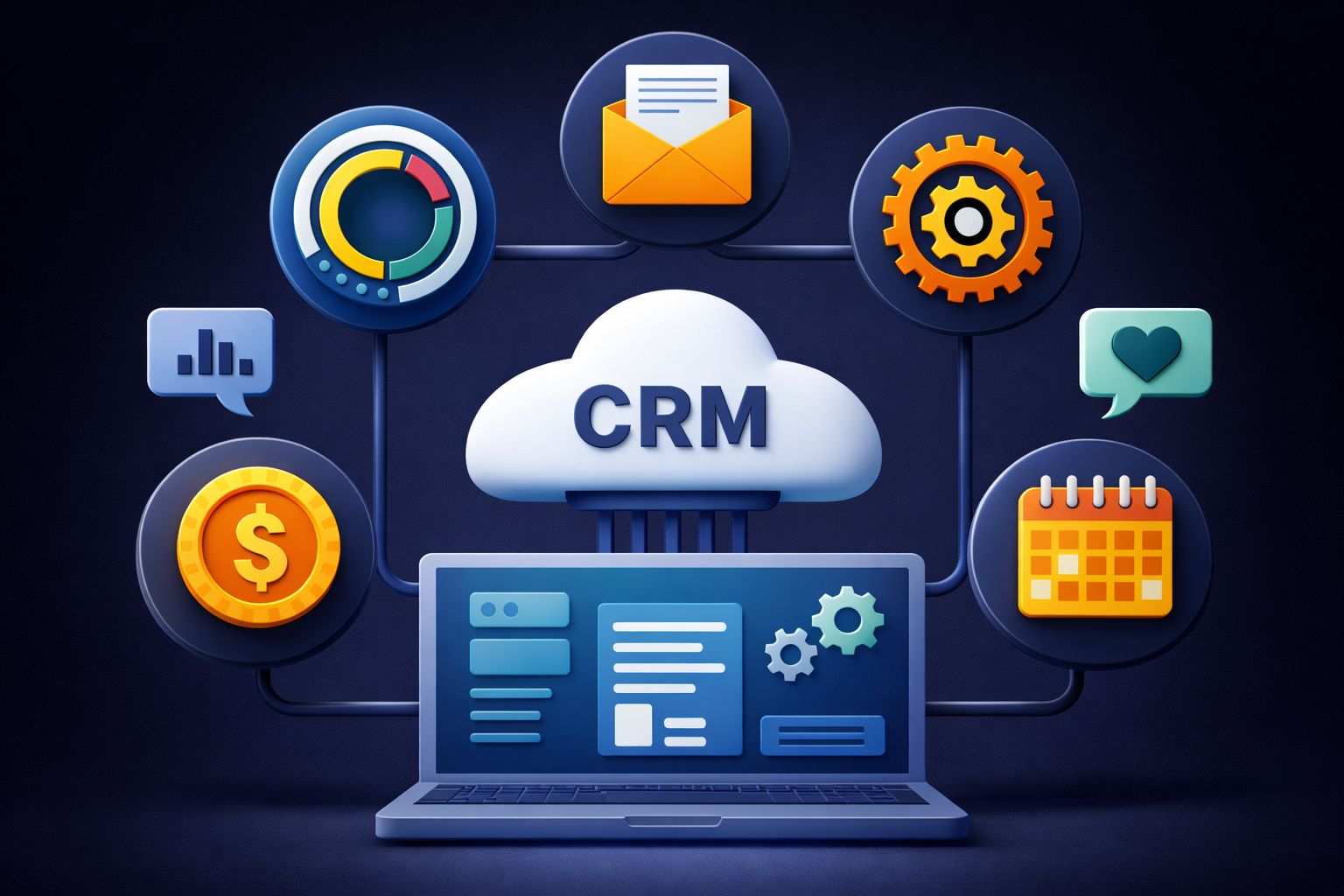
CRM software is the backbone for managing customer relationships, pulling all the info you need into one spot. These platforms track purchase history, communication, and preferences to build out detailed customer profiles.
Contact management systems just keep track of basics like names and emails. Full CRM platforms, though, add sales trackers, interaction logs, and reporting tools.
Data centralization finally gets rid of all those scattered spreadsheets and disconnected apps that make it impossible to get the full picture. You don’t want gaps in customer understanding, right?
Customer segmentation lets you group contacts based on behavior, demographics, or engagement. That way, you can actually target your outreach instead of blasting everyone with the same message.
Salesforce, HubSpot, and Zoho are some of the big names here, each with their own quirks and specialized features.
Essential CRM features include:
- Automated follow-up reminders and task assignments
- Custom fields for industry-specific data points
- Integration with email, calendar, and other business tools
- Pipeline visualization for sales tracking
- Multi-user access with permission controls
Customer data platforms (CDPs) take things further by unifying data from everywhere—website visits, social media, even offline interactions. You end up with a 360-degree view of each customer’s journey.
Help Desk and Live Chat Solutions for Real-Time Support
Help desk software organizes customer inquiries into tickets, so teams can prioritize, assign, and resolve them in a structured way. These systems keep conversation history, so customers aren’t stuck repeating themselves if they get bounced around.
Ticket management features track response times, resolution rates, and customer satisfaction. Multi-channel integration pulls in messages from email, social, phone, and web forms, all into one place.
This helps prevent missed or duplicate messages, which is always a pain.
Live chat tools are a lifesaver for customers who need immediate answers. ProProfs Chat and similar options let people get help right on the website, no waiting for email.
Chat histories sync with help desk records, so context isn’t lost.
Key support technology features:
ProProfs Help Desk brings these together with collaborative tools—teams can add internal notes or escalate tricky issues. Real-time support reduces customer effort and helps prevent abandoned transactions.
AI and Automation That Scales Your Personal Touch
Predictive analytics digs through historical data to guess what customers might need before they even say it. These systems can spot who’s likely to churn, which products to recommend, and when to reach out for the best results.
Chatbots handle the routine stuff—order status, return policies, account updates—without a human jumping in. With generative AI, these bots actually get language and context, so they don’t sound like robots reading a script.
That frees up support teams for the messier, more human problems.
Automated workflows trigger actions based on customer behavior. If someone abandons a cart, they get a reminder email. If a high-value client disappears for a month, their account manager gets a nudge.
Self-service portals let customers find answers, update info, and troubleshoot on their own terms. Conversational analytics—reviewing chat logs and call recordings—help teams spot common pain points and training gaps.
AI applications in customer relations:
- Lead scoring to flag high-potential prospects
- Sentiment analysis to catch frustrated customers early
- Content generation for personalized email campaigns
- Forecasting models to predict future purchases
- Voice assistants that route calls based on intent
Honestly, these tools work best when they’re backing up humans, not replacing them. Automation handles the repetitive stuff, but there’s no substitute for empathy and creative problem-solving.
Building Your Customer Relations Dream Team
Success in customer relations comes down to having the right people with the right skills—and giving them proper training. It’s not just one team’s job; it takes coordination across the whole organization.
Essential Qualities Every Customer Relations Professional Needs
Empathy is non-negotiable. You’ve got to understand and share customer feelings, especially when dealing with complaints.
A rep who shows real empathy can totally turn a frustrated customer into a loyal fan.
Communication skills and active listening go hand in hand. Representatives need to explain solutions clearly, but also really listen—sometimes it’s the things left unsaid that matter most.
This combo helps avoid misunderstandings and builds trust.
Composure under pressure is a big one. When things go sideways—product failures, angry customers—staying calm keeps things from spiraling out of control.
Adaptability is crucial, too. No two customer interactions are the same, so flexibility beats sticking to a rigid script.
Other must-haves:
- Positive attitude that shapes how customers perceive the whole experience
- Responsibility for seeing issues through to resolution
- Organization and time management to juggle multiple requests
- Problem-solving to tackle the weird, one-off situations
Training Programs That Develop Customer Relations Excellence
Training has to start with solidproduct knowledge. Teams can’t help customers if they don’t know what they’re talking about.
Being confident with the product keeps frustration down for everyone.
Soft skills training is what takes service from good to great. That means empathy, active listening, conflict resolution, and emotional intelligence.
Practice—through role-play or real-world scenarios—makes a huge difference.
CRM and analytics platform training is a must. Teams need hands-on time with the tools, not just a quick demo.
Problem-solving training helps with the curveballs. Decision-making frameworks, escalation protocols, and creative thinking exercises all help.
Continuous learning is key. Regular workshops, certifications, and knowledge sharing keep skills sharp and show the company’s invested in its people.
Who's Actually Responsible for Customer Relations
Customer relations isn’t just a single department’s problem—it’s everyone’s. Cross-functional collaboration between service, sales, product, and marketing is what creates seamless customer experiences.
The Chief Customer Officer sets the vision and makes sure customer focus is built into the culture. They connect insights with business goals and advocate for customers at the top level.
Customer Relations Managers handle day-to-day operations, team performance, and process improvement. They coordinate with other departments and make sure their teams have what they need.
Customer Relations Representatives are on the front lines. They solve problems, answer questions, gather feedback, and put a human face on the company.
Sales teams build the initial relationship and set expectations. Product teams tackle the root causes of customer frustration. Marketing shapes the brand and manages communication.
Everyone has a part to play in the overall relationship.
Making Customer Feedback Your Competitive Advantage
Customer feedback is like a cheat code for understanding what’s working and what’s broken. Collecting, analyzing, and acting on feedback creates a loop that keeps you ahead of the competition.
How to Gather Meaningful Feedback from Your Customers
You need a mix of channels to get the full picture. Different methods surface different insights, so combining them is the way to go.
Primary Collection Methods:
Timing matters—a lot. Post-purchase surveys get the best results within a day or two, while the experience is still fresh. Support teams should ask for feedback right after resolving an issue.
The questions you ask are just as important as the timing. Open-ended questions like “What stopped you from completing your purchase?” often lead to way more useful insights than a list of checkboxes.
Keep surveys short—under five minutes if you can—to boost completion rates and keep the data quality high.
Turning Data Into Customer-Centric Decisions
Raw feedback isn’t useful until you dig in and find patterns. You’ve got to categorize responses, track sentiment over time, and figure out which problems need fixing first.
Grouping feedback into themes helps spot systemic issues versus one-offs. Categories might include product quality, pricing, speed of service, communication, or feature requests.
If a bunch of people mention slow response times, that’s probably a sign you need to invest resources there.
Analysis Framework:
- Sentiment scoring — Sort feedback as positive, neutral, or negative to see the big picture
- Frequency tracking — Count how often specific issues pop up
- Trend tracking — Watch if complaints or compliments rise or fall month to month
- Impact assessment — Figure out how each issue affects customer retention and satisfaction
Prioritizing is a balancing act between how often something comes up and how severe it is. An issue that affects 5% of customers but makes them quit is a bigger deal than a small annoyance for 30%.
Segmenting feedback by customer type—new vs. long-term, high-value vs. occasional—helps you see if problems are concentrated in certain groups.
Showing Customers Their Voices Matter
Collecting feedback but doing nothing with it? That damages trust more than not asking in the first place. Customers who take time to share their thoughts expect to see something happen.
Closed-loop feedback is about closing that gap—letting people know you actually listened and acted. When someone reports a problem and you circle back after fixing it, that’s a real moment of connection. It’s personal. It’s way more powerful than a generic update blasted to everyone.
Sodexo took asystematic approachto handling both employee and client feedback. They started tracking feedback themes every quarter and now publish action plans, showing exactly which suggestions are making it into reality.
Spotify does a decent job here too. They update users on features rolled out because listeners asked for them, and sometimes even shout out the community in their release notes. That kind of transparency? It makes you feel like your voice actually matters.
Public acknowledgment just multiplies the effect. When companies share customer-driven improvements in emails, on their website, or through social media, everyone sees that feedback isn’t just disappearing into a void. They might say, "Based on your feedback, we've extended customer service hours to 8 PM," or, "You asked for offline access—it's now available." That’s satisfying.
Sometimes, though, a suggestion just isn’t possible. Still, explaining why goes a long way. If a company says, "We explored adding this feature, but it conflicts with our security requirements," at least you know they took it seriously—even if it didn’t work out.