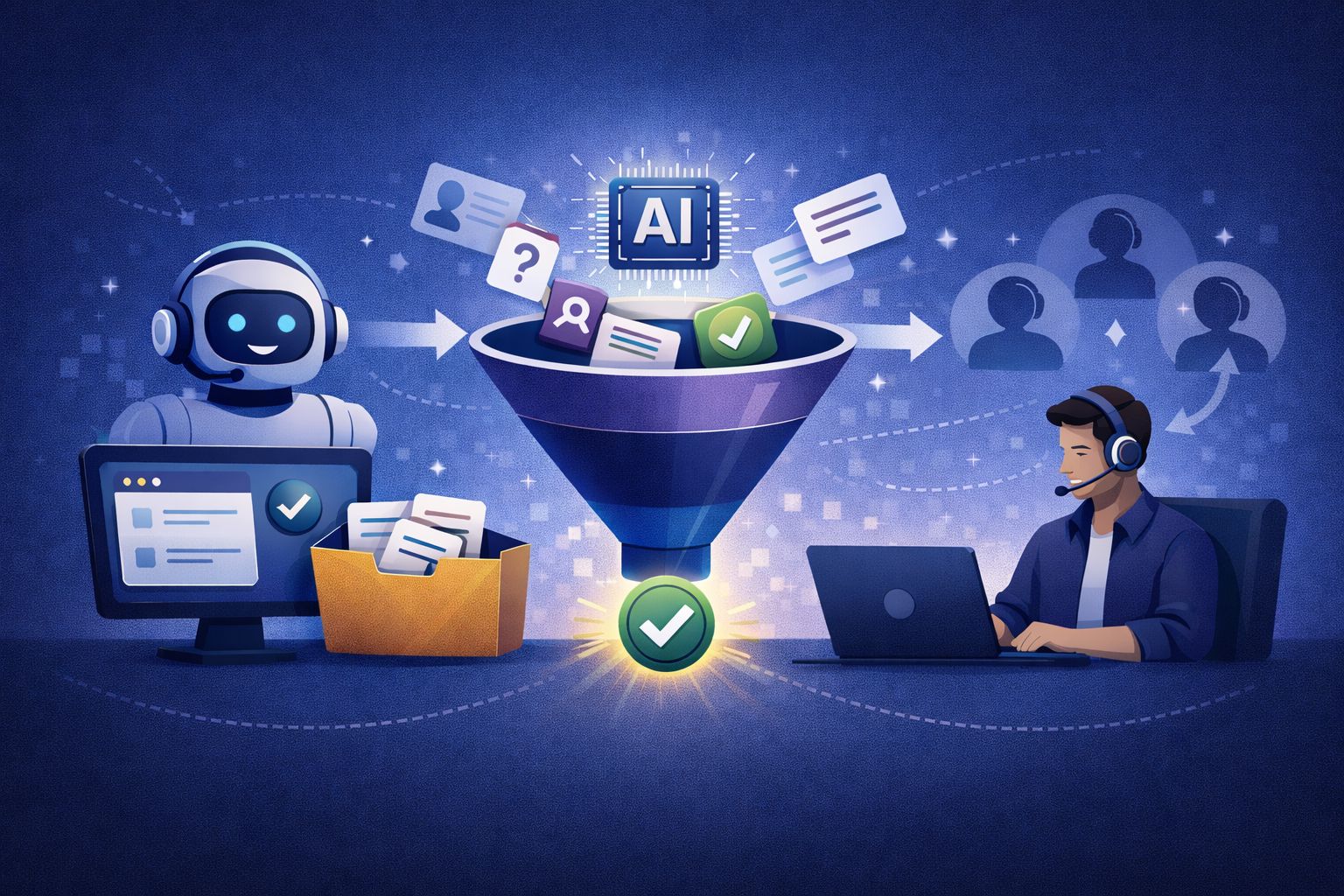
Customer relations is really the whole game plan a business uses to build and keep long-term connections with customers—across every single touchpoint. It's not just those isolated customer service calls; we're talking support emails, social media DMs, product deliveries... every moment a customer interacts with your brand.
Modern businesses get that customer relations isn't just one department's job. Marketing, service teams, even the folks delivering your product—all of them shape how customers feel about your brand.
Each touchpoint can either make the relationship stronger or, well, chip away at it. Every single interaction is a chance to build trust and loyalty, or to lose it.
The move toward relationship-focused business practices has really changed the way companies think about customer experience. Now, there's a real understanding that investing in genuine, long-term relationships gives you an edge—driving retention and, honestly, making the business more profitable.
Why Customer Relations and Customer Service Aren't the Same Thing
Customer service steps in when customers reach out with a problem, while customer relations is all about strengthening connections before issues even pop up. The two have different approaches and goals, but together they shape the overall customer experience.
When Customer Service Solves Problems (Reactive Support)
Customer service teams jump in when someone contacts the business with a concern. Their job? Fix the issue as quickly and painlessly as possible.
Common customer service activities include:
- Answering product questions via phone, email, or chat
- Handling returns and exchanges
- Troubleshooting those annoying technical glitches
- Confirming order details and tracking info
- Sorting out billing questions
It's a reactive approach—if the customer doesn't reach out, nothing happens. The main aim is to resolve the issue and make sure the customer leaves happy.
Customer service folks need to know the products, policies, and procedures inside and out. It's the only way to handle the weird curveballs customers throw their way.
Interestingly, these interactions aren't just about solving problems. The feedback and questions gathered here can actually highlight patterns—giving the business a heads-up on what needs fixing or improving.
How Customer Relations Builds Long-Term Loyalty (Proactive Strategy)
Customer relations is more about reaching out to customers along their journey, not just waiting around for problems. It's about creating touchpoints that make people feel connected and, hopefully, happy.
Key customer relations initiatives include:
This proactive approach means working closely with sales and marketing. Customer relations pros build campaigns, design engagement workflows, and keep an eye on relationship health over time.
The goal? Turn one-time buyers into loyal fans who come back and tell their friends.
Instead of focusing on single transactions, customer relations looks at the whole journey. Regular, thoughtful contact and anticipating needs—those are the things that build trust over time.
What Your Business Gains from Strong Customer Relationships
Investing incustomer relationspays off financially, but it's not just about money. Strong relationships boost your brand and even impact your team's culture.
Revenue Growth Through Retention and Repeat Business
Customer retention is a huge deal for profitability. Bain & Company says it costs five to 25 times more to get a new customer than to keep an existing one. That cost difference alone makes retention a must-have strategy.
Loyal customers spend more—up to 67 percent more, according to CX research. They come back, try new products, and are way more open to upsells.
Customer lifetime value (CLV) jumps when businesses focus on relationships. Harvard Business Review found that cutting churn by just 5 percent can boost profits by 25 to 95 percent. Longer relationships mean more sales, bigger orders, and lower costs per customer.
Key retention metrics that improve with strong customer relations:
- Churn rate — Percentage of customers who leave
- Repeat purchase rate — How often customers buy again
- Customer lifetime value — Total revenue you can expect from one customer
Building Your Brand's Reputation and Competitive Edge
Strong customer relationships set you apart in ways competitors can't easily copy. Happy customers become your best marketers, sharing their experiences through word-of-mouth and reviews.
McKinsey & Company found that word-of-mouth drives up to half of all purchasing decisions. That's wild.
A good reputation, built on real relationships, lets you charge more. People trust you, so they're willing to pay for what you offer—even if someone else is cheaper.
Online reviews and testimonials from loyal customers are powerful. Epsilon research says 80 percent of consumers are more likely to buy from brands that personalize their experience. Positive relationships create the kind of social proof that brings in new customers and reassures the ones you already have.
The Surprising Impact on Your Team's Morale
Customer relations doesn't just make customers happy. It actually creates a better workplace, too.
When customers show appreciation, employees feel more fulfilled. That positive feedback loop can make a tough day a little better.
Employee retention improves in customer-centric cultures. Deloitte found that companies with strongcustomer experienceprograms also see higheremployee satisfactionscores.
There's a real connection betweencustomer satisfactionand employee morale. Happy employees serve customers better, which makes customers happier, which in turn boosts team morale. Gartner says companies that prioritize customer experience also have lower employee turnover. That saves on hiring costs and keeps things running smoothly.
Your Action Plan for Stronger Customer Relationships
If you want stronger customer relationships, it's not just about one big change. You need to tweak operations, communication, culture, and how you track progress.
Operational Excellence That Customers Notice
Operational improvements send a message: you respect your customers' time. Cutting wait times is huge—whether it's faster ticket responses, a smoother checkout, or less hold music.
Self-service options are a game-changer. Knowledge bases, FAQs, video tutorials—these let customers help themselves whenever they want. Just make sure these tools are easy to search, mobile-friendly, and kept up to date.
Keyoperational improvementsinclude:
- Streamlining processes to cut out unnecessary steps
- Investing in CRM tech to track customer history
- Automating routine tasks so staff can focus on complex issues
- Offering clear documentation and learning resources
You'll see the impact in numbers—lower support costs—and in feedback from customers who feel respected.
Communication Strategies That Build Real Connections
Personalization makes a huge difference. Using someone's name, referencing their last order, or sending tailored recommendations shows you're paying attention.
Email campaigns that are segmented by behavior just work better than generic blasts.
Active listening matters. Instead of sticking to scripts, support teams should actually hear what customers are saying, ask follow-up questions, and show empathy.
Omnichannel communication is the new normal. Some people want to call, others prefer email, chat, or even social media. And with social, your responses are on display for everyone—no pressure, right?
Effective communication techniques:
How often you reach out matters, too. Keep in touch regularly, but don't spam people.
Creating a Customer-First Culture Throughout Your Organization
Customer-first culture shouldn't stop at the service desk. Product, marketing, finance—everyone should be thinking about the customer.
If engineers build features with the user in mind, or accountants make billing more transparent, relationships get stronger naturally.
Transparency goes a long way. Companies that share their values, explain price changes, or admit mistakes earn loyalty that lasts.
Customer appreciation programs work best when they're genuine. Exclusive access, meaningful discounts, or simple recognition—these things show you care.
Culture-building actions include:
- Building community through forums, advisory boards, or special events
- Sharing customer feedback with teams that can actually act on it
- Training employees to see their impact on customers, no matter their role
- Recognizing team members who go above and beyond for customers
Real emotional connections happen when customers feel like they're more than just a transaction.
Measuring Success and Continuously Improving
Customer satisfaction scores (CSAT) are a quick way to check if a specific interaction went well. Usually, companies send these surveys after purchases or support calls.
Net Promoter Score (NPS) is about the big picture—how likely is someone to recommend your business? Customer Effort Score (CES) looks at how easy you make things for your customers.
Measurement framework:
- Gather feedback through surveys and open channels
- Analyze by segment, type, and over time to spot patterns
- Focus on trends, not just one-off scores
- Respond to feedback and let customers know what changed
Improvement isn't a one-time thing. Regular reviews of feedback alongside operational data are key. Test small changes based on what real customers say, not just assumptions.
Technology That Transforms Your Customer Relationships
Tech is the backbone of modern customer relationships. The right mix ofCRM platforms, support tools, andAI-powered automationlets you scale up without losing that personal touch.
CRM Systems and Customer Data Platforms You Need
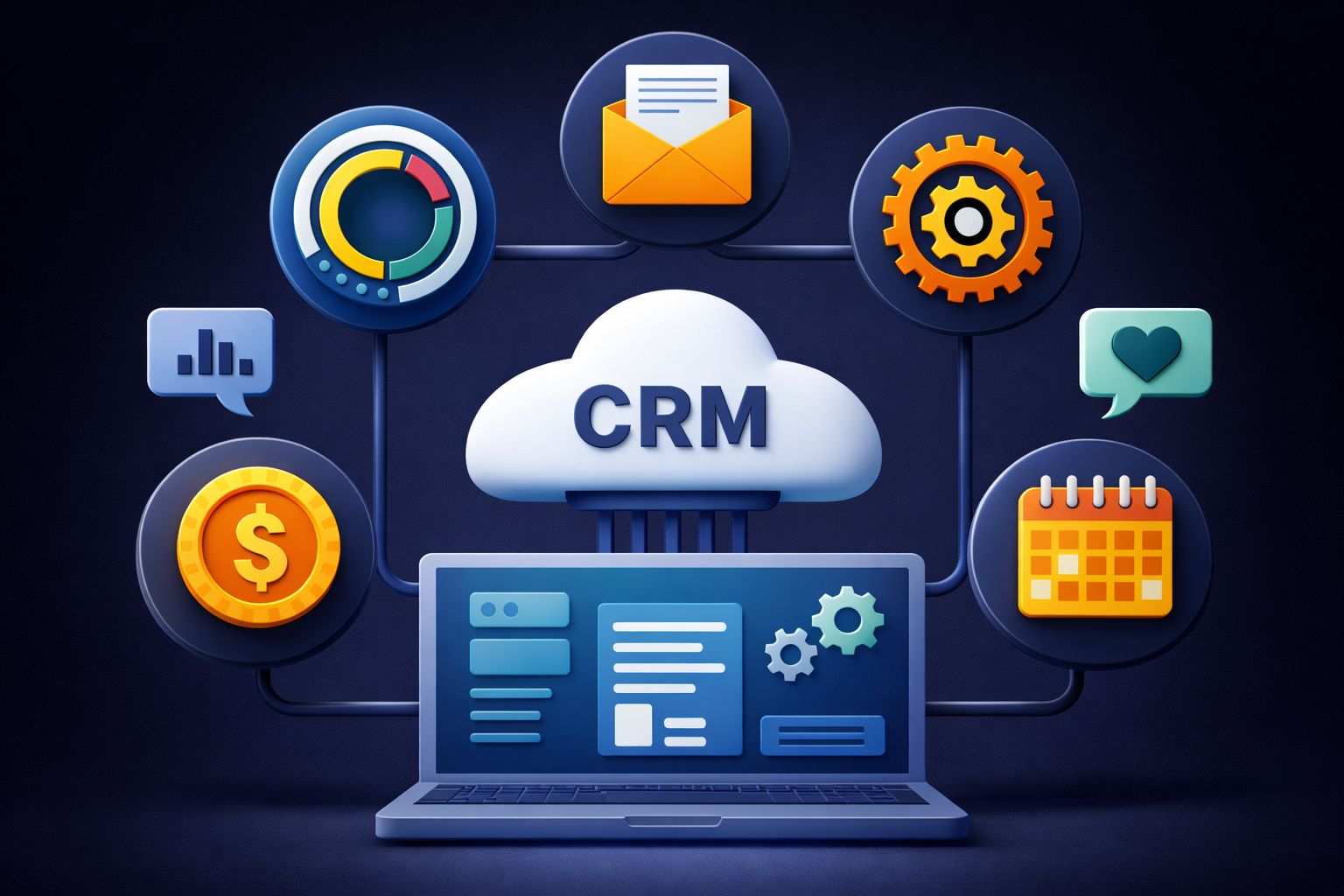
CRM platforms are where you keep all yourcustomer dataand track every interaction. Sales, marketing, support—they all need access to the same info.
Core features? Customer segmentation, interaction tracking, reporting, and analytics. Sales trackers help you see deal progress, while contact management makes sure no inquiry slips through the cracks.
Customer data platforms (CDP) go even further. They pull in data from your website, apps, emails, and other systems, giving you a complete customer profile. Big names like Salesforce, HubSpot, and Microsoft Dynamics 365 are everywhere, but there are also solid options like Zoho and Pipedrive for businesses that want something flexible and affordable.
Help Desk and Live Chat Solutions for Real-Time Support
Help desk software keeps customer inquiries organized with a ticket system, so nothing gets lost or doubled up. Each ticket logs the issue, priority, and resolution status—making it easy to keep teams accountable.
Live chat tools like ProProfs Chat are perfect for quick questions. They can even turn chats into tickets if follow-up is needed. Multi-channel integration means agents see the whole conversation history, no matter how customers reach out.
ProProfs Help Desk, for example, combines ticket routing, a knowledge base, and team collaboration. Response time tracking and satisfaction metrics help managers spot bottlenecks. Built-in analytics show what customers are asking about most, which is super useful for improving products and self-service resources.
AI and Automation That Scales Your Personal Touch
Generative AI now powers chatbots that handle routine inquiries with natural language processing. These bots resolve common questions without human intervention.
Chatbots escalate complex issues to live agents. They capture context, so customers don't have to repeat themselves—thank goodness for that.
Predictive analytics examines customer behavior patterns to forecast needs before they arise. Systems can spot which customers might churn, which leads are most likely to convert, and what products different segments will want next.
Automated workflows trigger personalized email sequences, task assignments, and status updates based on customer actions or lifecycle stage. Self-service portals with AI-powered search let customers find answers independently, cutting down ticket volume.
AI-powered tools currently integrate with CRM systems through APIs. About 80% of implementations use third-party AI services instead of proprietary models.
The technology handles data processing and repetitive tasks. Human agents, meanwhile, focus on relationship building, complex problem-solving, and high-value accounts.
This division lets businesses keep a personal touch, even as customer bases balloon past what manual processes could possibly support.
Building Your Customer Relations Dream Team
Success in customer relations starts with hiring professionals who have core interpersonal skills and technical chops. Then, those skills need to be developed through structured training.
Organizations need to know which roles actually own customer relationships. Plus, how different departments collaborate to deliver consistent experiences—no small feat.
Essential Qualities Every Customer Relations Professional Needs
Empathy is the foundation of effective customer relations. People who really get customer frustrations can turn negative situations into loyalty opportunities.
When a customer faces a billing error, an empathetic team member acknowledges the hassle. They don’t just jump into procedural explanations.
Communication skills and active listening make sure customers feel heard. Strong communicators adapt their language, skipping jargon for non-technical users.
Active listeners pay attention to what customers say, not just planning their next response. It’s harder than it sounds.
Adaptability is what separates good professionals from great ones. Customer needs can shift fast, and team members have to adjust their approach based on personality, urgency, or communication style.
A rigid script? That usually falls flat in unique situations.
Other important qualities:
- Composure under pressure: Staying professional during high-stress interactions with upset customers
- Positive attitude: Seeing challenges as solvable, not insurmountable
- Responsibility: Owning issues through to resolution
- Organization and time management: Juggling multiple cases while meeting response time commitments
Training Programs That Develop Customer Relations Excellence
Comprehensive training programs balance product knowledge with soft skills. New hires need to know product features, common use cases, and technical limitations.
Without that foundation, even the most personable pro can’t solve customer problems effectively.
Problem-solving techniques training should include frameworks for diagnosing issues, prioritizing solutions, and escalating appropriately. Role-playing exercises help teams prepare for tough scenarios, like handling angry customers or delivering bad news about product limitations.
CRM proficiency and analytics platforms training ensures teams can access customer history, track interactions, and spot patterns. Technical competency with these tools means more personalized service.
Continuous learning keeps skills sharp as products and customer expectations change. Monthly workshops, certifications, and peer learning sessions keep folks engaged past onboarding.
Who's Actually Responsible for Customer Relations
Customer relations responsibility extends across the organization throughcross-functional collaboration. Dedicated teams may lead strategy, but every department that touches customers shapes their experience.
Sales sets the initial expectations. Product teams deliver on promises. Marketing keeps engagement going.
The Chief Customer Officer owns the strategic vision for customer relationships across all touchpoints. This executive bridges departments, advocates for customer needs in leadership decisions, and pushes for consistent experiences throughout the lifecycle.
Customer Relations Managers translate strategy into operational programs. They design frameworks, set service standards, and coordinate between departments to resolve systemic issues. They also oversee hiring and training for customer-facing roles.
Customer Relations Representatives handle daily relationship-building. They resolve issues, gather feedback, and spot opportunities to strengthen connections. These folks are the front line—absolutely critical.
Product teams build features based on customer feedback and ensure reliability. Marketing maintains relationships between purchases through relevant content and communication.
This model needs clear ownership, but it also means customer satisfaction depends on everyone coordinating.
Making Customer Feedback Your Competitive Advantage
Customer feedback turns into strategic intelligence when businesses gather input systematically, analyze patterns to drive decisions, and communicate changes back to customers.
How to Gather Meaningful Feedback from Your Customers
Effectivefeedback collectionmeans using multiple channels. People share opinions in all sorts of ways, and relying on just one method misses a lot.
Structured collection methods:
- Surveys: Post-purchase questionnaires, satisfaction ratings, effort scores—these give you quantifiable data
- Reviews: Google, Trustpilot, and industry sites are full of unsolicited opinions
- Focus groups: Deep dives with 6-10 participants to explore specific issues
Ongoing monitoring approaches:
- Social listening: Real-time sentiment from Twitter, LinkedIn, Facebook, Reddit—you name it
- Support interactions: Chat transcripts, call recordings, ticket analysis reveal friction points
- In-app feedback: Context-specific input when customers hit features or problems
Timing matters a lot. Ask for input right after key interactions while the experience is still fresh.
Offering both quick ratings and open-ended comments accommodates different preferences and time constraints.
If you want honest responses, reassure customers that negative feedback leads to improvements, not penalties. Anonymous options help people be candid, especially on sensitive topics.
Turning Data Into Customer-Centric Decisions
Raw feedback only becomes useful when you systematically analyze it to find patterns, priorities, and opportunities. Just reading comments isn’t enough.
Analysis framework:
Segmenting by customer type—like new vs. long-term, or high-value vs. occasional—shows how experiences differ across groups. A complaint from 60% of enterprise customers is a whole different ballgame than one from 3% of free users.
Pattern recognition is key. If multiple customers mention similar frustrations about, say, checkout or response times, that’s a red flag for something systemic.
Prioritization is a balancing act. A rare but critical security issue needs immediate attention, while a common minor annoyance might wait for the quarterly roadmap.
Showing Customers Their Voices Matter
The closed-loop feedback process turns one-way data collection into a real dialogue. Companies that show how customer input shapes decisions really stand out.
Sodexo usedcustomer suggestionsto redesign cafeteria layouts and menus, then highlighted these changes with signage crediting customer feedback. That kind of visibility proves the company’s listening.
Spotify regularly rolls out features requested through community forums and social media. They announce updates with explicit nods to user suggestions—public acknowledgment goes a long way.
Closing the loop effectively:
- Send direct follow-ups thanking people for detailed feedback
- Publish update announcements explaining which customer insights drove changes
- Share case studies showing before-and-after improvements from feedback
- Release product roadmaps influenced by customer priorities
Visible action on feedback builds trust way faster than any marketing campaign. When customers see their suggestions implemented—simplified navigation, extended hours, new payment options—they’re more likely to stick around and even advocate for you.
Sometimes, you can’t implement a suggestion. That’s okay, but explain why or offer alternatives. Transparency keeps credibility intact, even when the answer’s not what people want.
Ignoring feedback after you’ve asked for it? That’s a trust killer. Customers who take the time to share input expect acknowledgment and action, so closing the loop isn’t optional if you want to keep trust and stay competitive.
Making Every Customer Feel Like Your Only Customer
Creating meaningful customer relationships is all about making each person feel like they're the only one that matters. It's not easy, but when you treat every interaction as if that customer is your sole focus, something shifts.
Suddenly, a routine transaction can become a moment they'll actually remember. That's how you get loyalty—real, lasting loyalty—and maybe even some trust.
Key Elements of Individual-Focused Service:
- Personalized attention at every touchpoint, from the first hello to whatever comes after the sale.
- Recognition of what makes each customer tick—their preferences, quirks, maybe even their birthday if you can swing it.
- Communication that's timely and actually relevant, not just another generic email blast.
- Empowered team members who don't have to ask for permission to fix a problem.
Personalization isn't just plugging someone's name into a template and calling it a day. It's about actually getting what matters to them, and tweaking your approach to fit.
Tech helps—sure, track their history, their favorite products, all that—but don't forget the human touch. Nobody wants to feel like a data point.
Practical Implementation Strategies:
If you want interactions to feel real, not robotic, you've got to train your team to really listen. Ask questions that matter, and don't just stick to the script.
Give people solutions that actually fit their situation. Every conversation is a shot to prove you care, even if it takes a little extra effort.
It's not just a nice-to-have. When customers feel genuinely valued, they're more likely to stick around and maybe even tell their friends.
People know when they're just another transaction—and honestly, don't we all want to be seen as more than that?