Customer relations is the full toolkit businesses use to build lasting relationships with customers at every possible touchpoint. It’s not just a department’s job—it bleeds intomarketing strategies, sales, support, product development, you name it.
Every email, delivery, support call, and even a quick social media reply adds up. All these moments shape how a customer feels about a brand, makingcustomer relationsa core driver ofbusiness growth—not just some side gig.
The difference between handling one-off transactions and actually building relationships? That’s what separates thriving businesses from those just treading water. Companies that treat customer relations as a foundational strategy, not just a way to put out fires, end up creating spaces where trust grows and customers stick around.
This shift shows up in real numbers—think higher retention rates and increased customer lifetime value (CLV). It’s not just feel-good stuff; there are solid benchmarks to track.
Turning everydaycustomer interactionsinto chances to build relationships takes both know-how and intention. Setting up clear touchpoints, measuring what matters—these are principles any organization can work with, no matter how big or small.
Your Foundation for Understanding Customer Relations
Customer relations covers both the daily back-and-forth with customers and the bigger-picture efforts to make those relationships stronger over time. There’s the reactive side—fixing problems as they pop up—and the proactive side, like anticipating needs before they become headaches.
Companies that really “get it” know that every department leaves a mark on how customers see and experience the brand.
How Every Interaction Shapes Your Customer Relationships
Every time a customer connects with your business, it leaves a mark. Sometimes it’s subtle, sometimes it’s huge, but it all adds up.
- Email responses that actually answer questions and don’t take forever
- Product deliveries that show up on time and in good shape
- Support calls that solve problems without making people jump through hoops
- Social media interactions that feel like there’s a real person on the other end
Each moment is a shot to prove your reliability and commitment. One good interaction builds trust, and if you keep it up, those experiences pile up into real loyalty. On the flip side, enough bad moments and customers start looking elsewhere.
What Customer Relations Actually Delivers to Your Business
Strong customer relations moves the needle on things that matter—like revenue and long-term sustainability. When you consistently meet or beat expectations, people stick around.
A small bump in customer retention—just 5%—can boost profits between 25% and 95%. That’s not pocket change.
Customer lifetime value (CLV) is another biggie. Folks who have good relationships with a brand usually spend more over time, try new stuff, and bring in extra revenue. There’s also:
These numbers are your reality check—are your customer relations efforts actually working? If you’re tracking them, you’ll know what’s working and what needs some love.
Why Customer Relations and Customer Service Aren't the Same Thing
Customer service is about jumping in when there’s a problem. Customer relations is about building something that lasts. Different goals, different parts of the customer journey.
When Customer Service Solves Problems (Reactive Support)
Customer service teams are the fire brigade—they respond when something’s gone wrong. Maybe a customer calls about a billing issue, emails with a product question, or sends in a support ticket for tech help.
Their job is to fix things, fast:
- Returns processing for stuff that didn’t work out
- Technical troubleshooting for software or hardware issues
- Order confirmations and questions about shipping
- Account management updates and questions
Every interaction is a chance to pick up feedback—spotting problems, gaps, or pain points. This intel is gold for customer relations teams, who can use it to stop issues before they start.
The main thing?Solve the issue. When someone reaches out, get it fixed quickly and properly.
How Customer Relations Builds Long-Term Loyalty (Proactive Strategy)
Customer relations doesn’t wait for something to break. These teams reach out—sometimes before customers even realize they need help.
They use all sorts of touchpoints to keep people engaged and show value.
Common initiatives:
This isn’t about a single sale. A customer relations manager might check in months after a purchase, share some tips, or suggest something new. Over time, that turns casual buyers into genuine fans.
The big focus is on retention and lifetime value, not just putting out fires. Customer relations teams team up with sales and marketing to create experiences that make people want to stick around.
What Your Business Gains from Strong Customer Relationships
Strong customer relations isn’t just good for the bottom line—it can change your whole company. Better retention, a stronger reputation, even happier employees. It’s all connected.
Revenue Growth Through Retention and Repeat Business
It’s way cheaper to keep a customer than to find a new one. Bain & Company found that a 5% bump in retention can lead to 25% to 95% higher profits. That’s wild.
Bringing in new customers costs five to seven times more than keeping the ones you’ve got. And, according to Harvard Business Review, repeat customers spend 67% more over time than newbies.
Metrics that matter:
- Churn rate reduction: Every percent you shave off churn goes straight to your bottom line
- Repeat purchase rate: Loyal customers buy more often and try new stuff
- Customer lifetime value: Longer relationships mean more opportunities for cross-sells and upsells
McKinsey & Company says companies that nail the customer experience see shareholder returns 2-3 times higher than their competitors. Retention is like compound interest—it just keeps giving.
Building Your Brand's Reputation and Competitive Edge
Customer relations shapes how people see your brand in ways ads just can’t. Epsilon found that 80% of consumers are more likely to buy from brands that give them a personalized experience. That’s a serious advantage.
Word-of-mouth is king. Happy customers talk, and their recommendations carry more weight than any ad. Qualtrics says those who love their experience are 3.5 times more likely to recommend you.
Online reviews matter—a lot. Zendesk found that 90% of customers check reviews before visiting a business. Good customer relations mean better reviews, which means more visibility and higher conversion rates.
Pricing power is another perk. Deloitte says customers who feel emotionally connected to a brand are less likely to care about price and more forgiving when things go sideways. That kind of loyalty is hard to beat.
The Surprising Impact on Your Team's Morale
There’s a real link between employee satisfaction and customer relationships. Microsoft research found that 95% of employees think customer service impacts their job satisfaction.
When customers are happy, employees feel it. Positive feedback and loyalty can mean more than a bonus—it’s validation that what you do matters.
Retention’s better, too. Accenture says companies with strong customer experience cultures see 1.5 times higheremployee retentionrates. Less turnover saves money and keeps teams stable.
Why employees love customer-focused cultures:
- They see the real impact of their work
- Less stress from angry or frustrated customers
- More chances to learn and grow
- More freedom to solve problems their own way
Vonage found that 68% of employees feel more motivated when they can actually fix customer issues. It’s a positive loop—better customer relations boost team performance, which in turn makes for even happier customers.
Your Action Plan for Stronger Customer Relationships
Building stronger relationships isn’t magic—it’s about taking action across operations, communication, culture, and tracking results. If you get these right, you’ll see less churn and more value from every customer.
Operational Excellence That Customers Notice
People judge businesses by how quickly and smoothly problems get solved. Long waits are a dealbreaker—most customers bail if they’re left hanging more than two minutes on chat or five minutes on the phone.
Invest inself-service optionsso customers can solve simple issues themselves. FAQs, knowledge bases, how-to videos, and step-by-step guides cut down on support tickets and give customers more control.
Cutting out unnecessary steps is huge. Map the customer journey, spot bottlenecks, and fix them. Even something like shortening checkout from five steps to three can boost conversions by 35%.
Tech that makes things smoother:
- Automated ticket routing so people get to the right expert fast
- Chatbots to handle common questions, anytime
- Customer portals for real-time order tracking and account stuff
- Mobile apps for on-the-go access
Learning tools—like short videos or onboarding walkthroughs—help customers get more out of your product and cut down on confusion. It shows you care about their success, not just the sale.
Communication Strategies That Build Real Connections
Communication is where you turn transactions into real relationships. Personalization is key—use what you know about customers to make your messages actually mean something.
Active listening is more than just nodding along. Ask questions, repeat back what you’ve heard, and make sure you really get the issue before jumping in with solutions. It saves time and keeps customers happy.
Omnichannel communication means meeting customers wherever they are:
Transparency goes a long way. If there’s a delay or a problem, say so. Explain pricing, own up to mistakes, and don’t try to spin it. People appreciate honesty.
Stay in touch even when you’re not selling. Monthly newsletters, occasional check-ins, or personalized tips keep you on customers’ radar without being annoying.
Creating a Customer-First Culture Throughout Your Organization
Customer relations can’t be boxed into one team. Everyone has a role in shaping the customer experience, whether they realize it or not.
Leadership needs to make it clear: customer-first thinking should guide everything.
Customer appreciation should be a habit, not an afterthought. Maybe it’s a thank-you note, a loyalty reward, early access to new features, or just remembering an anniversary. These little things show you see customers as people, not just numbers.
Community building helps customers connect with each other. Forums, social groups, advisory boards, or even live events create a sense of belonging—and can lighten the load for your support teams.
Share customer feedback with everyone. Product teams need to hear complaints. Marketing needs to know what messages land. Even finance should see how pricing impacts retention.
Frontline employees should have the power to fix problems without jumping through hoops. Give clear guidelines on refunds, discounts, and exceptions so they can act fast.
Training should focus on empathy and creative problem-solving, not just sticking to a script. Role-playing, shadowing customer journeys, and reviewing feedback can build skills that no software can replace.
Measuring Success and Continuously Improving
You can't improve what you don't measure, right? Organizations really need to track a mix of metrics to get a real handle on the health of customer relationships from all sorts of angles.
Customer Satisfaction Score (CSAT) tracks how happy customers are right after an interaction. It’s usually a quick 1-5 scale survey after a purchase or support call. If you’re seeing CSATs above 4.5, you’re probably doing something right.
Net Promoter Score (NPS) digs into loyalty by asking how likely someone is to recommend your business. It’s a weird -100 to 100 scale, but anything above 50 is honestly fantastic. NPS helps you spot your biggest fans—and those who might need a little extra love.
Customer Effort Score (CES) asks how hard it was for customers to get help. The easier you make things, the more likely folks will stick around. The questions are pretty direct: did we make it easy or a hassle?
Other metrics that are worth watching:
- First response time and average resolution time
- Customer retention and churn rates
- How often people come back to buy again
- Customer lifetime value
- Trends in support ticket volume
Data’s great for spotting patterns you’d never notice otherwise. Monthly reviews can uncover repeat complaints, popular feature requests, or weird seasonal spikes.
Quarterly, it’s smart to step back and look at the bigger picture—are your metrics moving the right way? What’s your competition up to? What are customers saying lately? A/B testing new ideas can show what actually works, not just what sounds good in theory.
When you make changes based on customer suggestions, let them know. Notifying the folks who gave you the idea really encourages more feedback and keeps relationships strong.
Technology That Transforms Your Customer Relationships
Customer relations tech these days falls into three buckets: stuff that centralizes and analyzes data, tools for real-time support, and AI that brings personalization to scale. Each one solves a different operational headache, but together, they make for a much smoother customer experience.
CRM Systems and Customer Data Platforms You Need
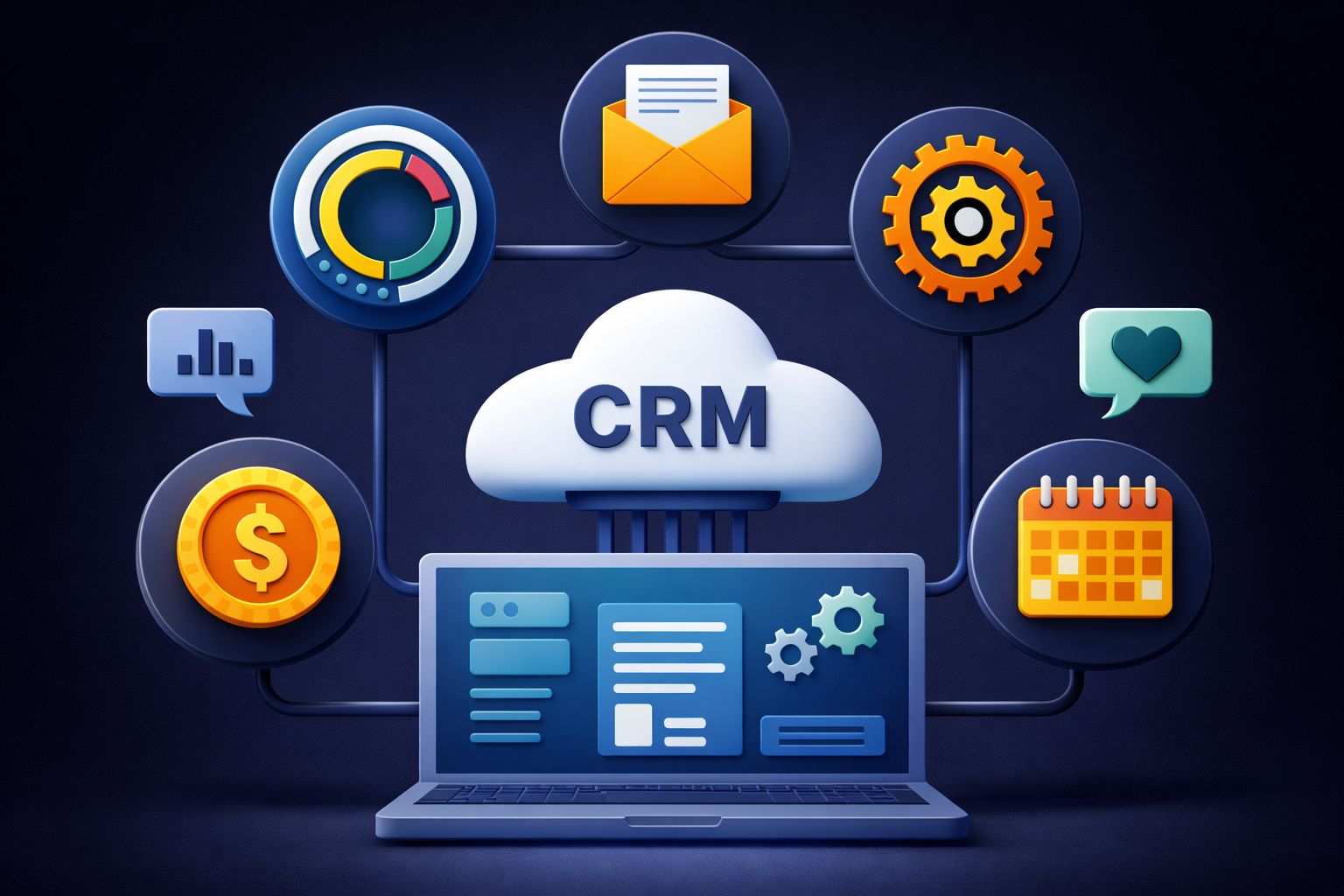
CRM platformsare basically ground zero for organizing customer info, tracking interactions, and keeping sales processes tidy. No more random spreadsheets or lost sticky notes—they give you one source of truth.
Core CRM capabilities:
- Data centralization to pull everything together
- Contact management for tracking who said what, and when
- Customer segmentation so you can group people by behavior or demographics
- Interaction tracking for emails, calls, meetings, and even social media
- Reporting dashboards that actually show you what’s happening
Customer data platforms (CDP) go further, pulling in website visits, purchase history, support tickets, marketing data—all of it. You get a full customer profile, not just a series of disconnected touchpoints.
Sales trackers inside CRMs help you follow deals, forecast revenue, and spot where things are getting stuck. That’s how teams know which opportunities to chase and who needs a nudge. The CRM software market hit $80 billion in 2024, which says a lot about how much businesses want that kind of visibility.
Help Desk and Live Chat Solutions for Real-Time Support
Help desk software keeps customer inquiries from falling through the cracks. Every issue gets a ticket, assigned to the right person, and tracked until it’s resolved.
Live chat is a lifesaver when someone’s stuck or has a quick question before buying. It can be the difference between a sale and an abandoned cart.
Key features in support tech:
- Multi-channel integration so email, chat, social, and phone all show up in one spot
- Conversation history, so agents aren’t starting from scratch
- Automated routing to send questions to the right expert
- Response templates to keep things consistent and save time
ProProfs Help Desk blends ticketing with a knowledge base, so agents can drop helpful articles right in the chat. ProProfs Chat can trigger messages based on visitor behavior—like if someone’s lingering on the pricing page.
These tools cut response times dramatically. Plus, chat analytics can surface common pain points and FAQs, which is gold for improving products and content.
AI and Automation That Scales Your Personal Touch
AI-powered toolstake care of repetitive stuff at scale, but the goal isn’t to replace your team—it’s to let them focus on the tricky, human stuff.
Chatbots give 24/7 answers for basic questions—order status, returns, account help, that sort of thing. With good natural language processing, they can handle a lot, then hand off the tough cases to a real person.
Generative AI can whip up personalized emails, product recommendations, or support docs by looking at customer data and what’s worked before. Predictive analytics flag customers who might be about to leave, so you can step in before it’s too late.
Automation features that actually help:
Self-service portals take a big load off your support team. Most people would rather solve simple issues themselves if you make it easy enough. Over 70% of businesses are using AI in customer relationship management now, especially in manufacturing and distribution where it really boosts targeting and forecasting.
The move towardAI-native featuresis changing how companies scale relationships. Instead of hiring more people as you grow, you can use automation to keep up quality and speed.
Building Your Customer Relations Dream Team
Nailing customer relations means hiring people with the right mix of empathy and skills, then helping them grow with ongoing training. It’s not just one department’s job, either—everyone needs to know their role and work together.Cross-functional collaborationis key.
Essential Qualities Every Customer Relations Professional Needs
Empathy is the absolute must-have. If you can’t see things from the customer’s side, you’re going to struggle.
Communication skills and active listening go hand-in-hand. People want to feel heard, not just talked at. Picking up on nonverbal cues can make all the difference.
Adaptability and staying cool under pressure matter when things get weird or customers get tough. If you can pivot without losing your cool, you’ll stand out.
Other qualities that make a difference:
- Positive attitude to help calm tense moments
- Strong organization and time management so nothing slips through the cracks
- Responsibility to follow through on promises
- Problem-solving chops to find solutions within company guidelines
When hiring, it’s smart to use behavioral interviews and real-world scenarios to see how candidates actually handle tough customer situations.
Training Programs That Develop Customer Relations Excellence
Training should cover both the technical side and the human side. Product knowledge is a must—if you don’t know what you’re talking about, customers will notice.
Soft skills need just as much focus. Workshops on active listening, empathy, and adapting communication styles can be surprisingly valuable. Role-playing helps people practice without the pressure.
CRM proficiencyand analytics training mean staff can pull up customer histories, spot patterns, and move faster. Getting comfortable with these tools pays off in efficiency.
Problem-solving workshops show teams how to resolve issues, when to escalate, and how to think creatively inside the rules. Using real cases from your own company makes it feel relevant.
Ongoing learning keeps everyone sharp. Monthly workshops, quarterly refreshers, and access to industry news help teams stay ahead of changing expectations.
Who's Actually Responsible for Customer Relations
Customer relations isn’t just the support team’s problem. Cross-functional collaboration ensures customers get a consistent experience everywhere.
The Chief Customer Officer steers the overall strategy and makes sure customer needs get attention at the executive level. They connect finance, ops, and frontline teams to keep everyone aligned.
Customer Relations Managers handle daily operations, develop their teams, and keep everyone focused on the big picture. They turn strategy into action.
Customer Relations Reps are on the front lines, talking to customers every day and gathering feedback that can spark real improvements.
Sales teams kick off relationships and set expectations. Product teams rely on feedback to make things better. Marketing shapes how customers see the brand. Everybody plays a part.
Making Customer Feedback Your Competitive Advantage
Feedback is only valuable if you actually do something with it. The best brands don’t just collect data—they analyze, act, and show customers they’re listening. That’s often what sets them apart.
How to Gather Meaningful Feedback from Your Customers
You need a mix of channels to get a real sense of customer sentiment. Each method brings something different to the table.
Primary Collection Methods:
Support conversations can reveal pain points customers might never mention in a survey. Sometimes, those unscripted moments are the most revealing.
Timing matters a lot. Send post-purchase surveys within a day or two while the experience is still fresh. Relationship surveys work best a few times a year, so you don’t wear people out.
Open-ended questions get you better answers than yes/no ones. Instead of “Were you satisfied?” try “What could we have done better?” That’s where the gold is.
Turning Data Into Customer-Centric Decisions
Collecting feedback is just the start. You’ve got to dig in and find the patterns that actually matter.
Analysis Framework:
- Customer sentiment tracking — Is the mood positive, negative, or somewhere in between?
- Theme identification — Group feedback by topic: pricing, features, support, delivery, etc.
- Frequency analysis — How often does a specific issue come up?
- Trend tracking — Are things getting better or worse over time?
You can’t fix everything at once. Prioritize issues that pop up often or have the biggest impact. Sometimes, one critical bug matters more than a dozen small complaints.
Looking at feedback by customer segment helps too. Loyal customers might have totally different issues than new ones. Sodexo, for example, uses this approach to make targeted improvements.
Showing Customers Their Voices Matter
If you make changes based on feedback but never tell anyone, you’re missing a huge opportunity. People want to know their voices led to real action.
Close the loop by letting customers know what you did. For individual complaints, a personal email goes a long way. For bigger changes, public updates work well.
Spotify, for instance, posts in-app messages about new features that came from user requests. That kind of transparency builds real loyalty.
Ways to communicate feedback-driven changes:
- Update your knowledge base and FAQs to reflect new policies
- Post “You asked, we delivered” updates on social media
- Email customers who requested specific features once they’re live
- Highlight testimonials and reviews that influenced decisions
Asking for feedback and then ignoring it is worse than never asking at all. Silence feels like indifference and can push customers away. If you want feedback to be your edge, make sure you close the loop—collect, analyze, act, and communicate. That’s how you turn input into real differentiation.
Making Every Customer Feel Like Your Only Customer
Personalization can turn an ordinary customer interaction into something memorable. When a business treats someone like a person, not just a number, it creates connections that stick.
Key personalization strategies include:
- Recording and referencing customer preferences in future interactions
- Addressing customers by name in a natural, conversational manner
- Tailoring product or service recommendations based on past purchases or behavior
- Celebrating milestones like birthdays or anniversaries
- Communicating through each customer's preferred channel (text, email, or phone)
Customer interactions get a lot more meaningful when team members have access to the right info. Shared systems that track preferences, past issues, and communication history help anyone on the team offer consistent, personalized service.
The approach isn't just for the first sale. Following up after a purchase, checking in without a sales pitch, or reaching out to solve a problem before it escalates—these moves show you actually care.
Small gestures can make a big difference. Maybe it's a handwritten note, recalling a detail from your last chat, or offering help before someone even asks.
It takes effort and some real attention, but when you make people feel valued, they'll remember—and probably come back. Businesses that actually make individual attention a habit tend to stand out from the crowd.