Contracts drive business, but handling them by hand? That's a recipe for risk and wasted time. Documents get scattered, deadlines slip, and tracking who owes what becomes a headache if you're stuck in email threads or spreadsheets.
These issues aren't just annoying—they can lead to compliance failures, lost deals, or legal messes that eat up as much as 9% of annual revenue.
Contract Lifecycle Management (CLM) changes the game by managing every stage, from drafting to renewal or termination, in a systematic way. Instead of treating contracts like boring paperwork, CLM weaves together creation, negotiation, approvals, execution, performance checks, and compliance into something more strategic.
This isn't just for the legal team—business folks benefit too, since it turns contracts from a chore into a source of insight and control. Withcontract oversight, you're not just putting out fires after the fact.
Modern contract management software brings everything together—centralized repositories, automated workflows, and real-time contract data. No more hunting through inboxes or guessing what’s due when.
Deals close faster, legal risks shrink, and you actually get more value out of every agreement.
The 9 Critical Stages Every Contract Must Navigate
The contract lifecycle has three big phases: pre-contract, during-contract, and post-contract. Each phase has its own set of steps, people, and tools—and how you handle them can make or break your results.
Stage 1: Template Authoring and Contract Initiation
It all starts with setting up solid, repeatable agreements. Template authoring means building frameworks—kept in template libraries—with pre-approved language for the contracts you use most.
Key parts of this stage:
- Clause selection rules decide which provisions go in, based on contract type, jurisdiction, or risk
- Rules engines assemble content automatically, following business logic
- Self-service contracting lets business folks start agreements without waiting for legal
Template libraries cut down drafting time with standard language for NDAs, POs, service agreements—you name it. Rules engines pick the right clauses based on set criteria.
For example, employment contracts can auto-add state-specific rules depending on where someone works.
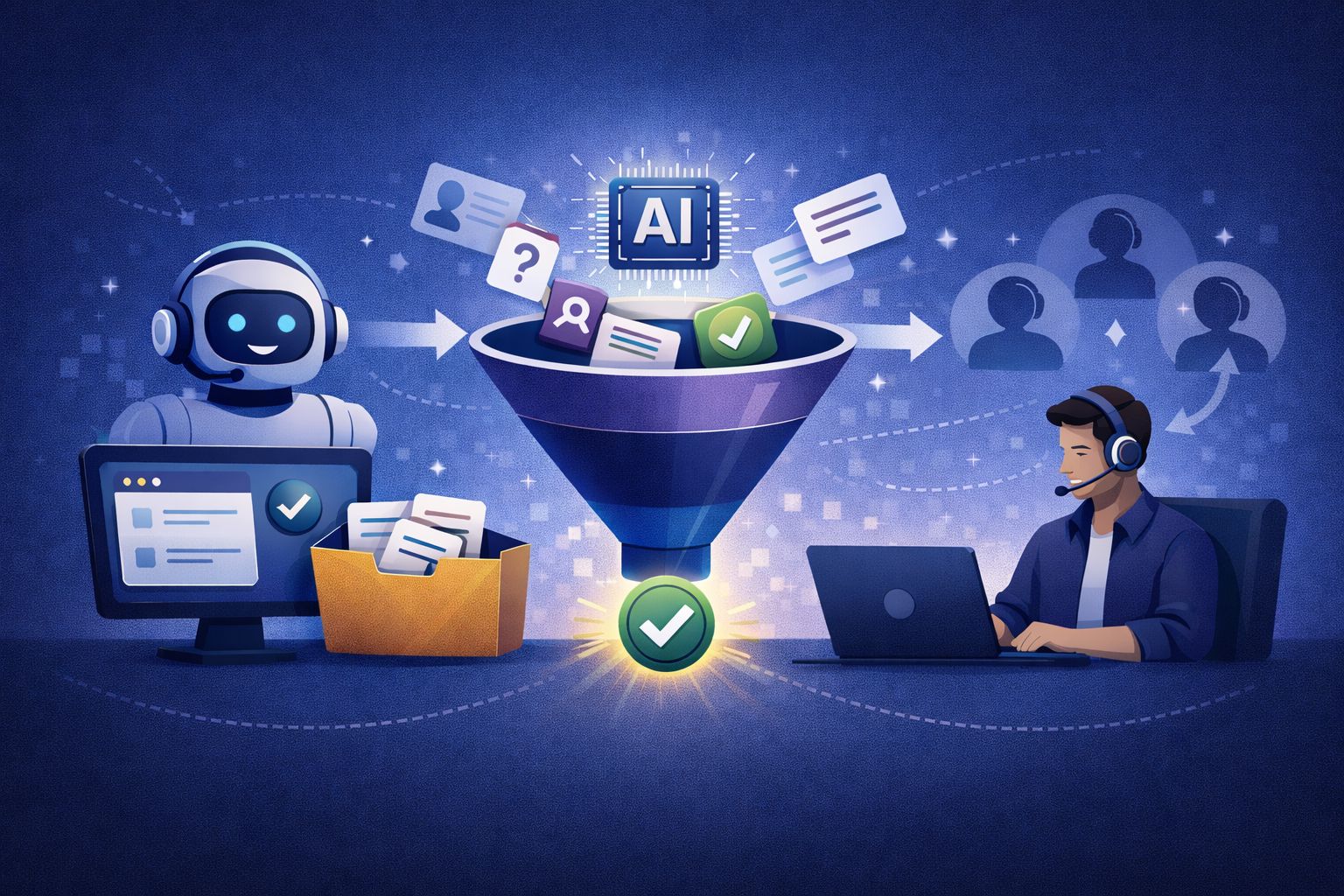
No-touch creation is the next level—systems can generate first drafts from intake forms orAPI integrations, so legal bottlenecks disappear for simple, high-volume deals.
Stage 2: Contract Creation and Development
Drafting turns templates into contracts tailored for each deal. Teams pick clauses, tweak terms, and add details that fit the transaction.
Modern contract development uses:
- Clause libraries for easy access to approved language
- Smart templates that adjust based on user answers
- Guided questionnaires that fill in contract fields automatically
This speeds up drafting and keeps things consistent. If a sales rep answers a questionnaire about a customer, conditional logic can add or skip sections for service levels, pricing, or guarantees.
Smart templates mean no more copy-pasting from old contracts—which often brings in mistakes or outdated terms. This stage makes sure everything's in place before review starts.
Stage 3: Internal Collaboration and Review
Before sending contracts out, you need input from all the right people. Internal workflows route drafts to legal, finance, procurement, compliance, and business leads.
The review process checks for risks, policy alignment, and that commercial terms make sense. Rule-based workflows control who needs to approve what, based on value, risk, or contract type.
AI contract reviewfeatures:
Playbooks spell out what's acceptable forkey terms, so reviewers stay consistent. Collaboration tools keep everyone on the same version, with comments and changes in one place.
AI-powered tools scan for deviations or risky language, cutting review time and helping teams apply the same standards every time.
Stage 4: Contract Negotiation
Negotiation is where both sides go back and forth, making changes until everyone’s happy. Redlines show what each side wants to add, drop, or tweak.
CLM systems keep track of versions, gather feedback, and show negotiation progress. Playbooks give negotiators fallback positions, so they know when to hold firm or escalate.
Teams can see which clauses spark the most debate, how long deals usually take, and which partners stick to standard terms. This info helps shape better templates and negotiation tactics.
Modern platforms let both parties work on the same document in real time, speeding things up compared to endless email threads. Once everyone agrees, the contract moves to approval.
Stage 5: Contract Approval
Before anything gets signed, the right people need to give the green light. Approval workflows route contracts based on things like value, department, or risk.
Common approval setups:
- Dollar thresholds push big contracts to senior leaders
- Department sign-offs make sure all affected teams agree
- Risk-based routing sends tricky terms to legal
- Audit trails log who approved what and when
Rule-based routing means contracts don’t get stuck with the wrong person. A $50,000 software deal might go straight to IT and finance, while a $500,000 partnership needs exec sign-off.
Automated systems ping approvers, track how long they take, and escalate if someone’s dragging their feet. It keeps things moving without skipping necessary checks.
Stage 6: Contract Execution and Signing
Execution is when the deal becomes real. E-signature tools like Adobe Sign let folks sign remotely—no printing or mailing needed.
E-signature rules differ by country, but most recognize them if certain conditions are met. CLM software tracks who’s signed, sends reminders, and stores the finished contract.
Ways to sign:
- Electronic signatures for speed and convenience
- Wet signatures if you need a physical copy
- QR codes for signing on mobile
E-signatures can shrink signing time from weeks to hours. Parties get an email, review, and sign from any device. The system logs details like IP address and timestamp for proof.
Once signed, contracts move from planning to action—triggering things like payment, delivery, or compliance checks.
Stage 7: Contract Operation and Performance Management
Now the real work starts: making sure everyone does what they promised. Performance management means sharing contract terms with the teams who need them, tracking deliverables, and checking compliance.
Task trackers create to-dos for things like deadlines, payments, or SLAs. AI can even scan contracts to pull out obligations, so no one has to comb through long documents by hand.
**Obligation
Why Your Business Can't Afford to Ignore Contract Management
Contract management hits your bottom line—affecting revenue, efficiency, and legal risk. According to World Commerce & Contracting, companies lose up to 9% of turnover to contract value leakage.
The Real Cost of Manual Contract Processes
Manual contract handling isn't just slow—it’s expensive. Missed renewals, lost opportunities, and wasted hours searching for documents all add up.
If teams can’t find the right contract language or are working off different versions, disputes can blow up fast. And if you miss regulatory deadlines, penalties follow.
When leadership can’t see what’s on the books, they might double up on vendors or miss out on better deals.
Red flags your contract process needs help:
- Renewal dates slip by, causing costly auto-renewals
- Departments sign separate deals with the same supplier
- Legal spends hours piecing together contract histories
- Sales can’t confirm commitments on calls
- Compliance issues only show up after regulators come knocking
Eight Ways CLM Solutions Transform Your Bottom Line
CLM platforms take contracts from a headache to a business advantage.
1. Increased Efficiency
Automation cuts out repetitive tasks—like chasing signatures or sending reminders—so teams can focus on work that matters.
2. Improved Accuracy
Centralized, approved language keeps contracts consistent. Version control means no one’s working off old drafts.
3. Enhanced Visibility
Dashboards and metadata give instant answers about obligations, expirations, and spend. Leadership finally gets a clear picture.
4. Reduced Risk
Automated checks catch potential violations before contracts go live, heading off disputes and bad terms.
5. Better Compliance
Built-in controls and audit trails make regulatory reviews easier—think SOX and beyond.
6. Cost Savings
Faster deals mean faster revenue. Analytics help spot where you can renegotiate or bundle vendors for discounts.
7. Stronger Relationships
Smooth, transparent contracting builds trust with partners and customers. Everyone’s on the same page—literally.
8. Data-Driven Decisions
Reporting turns contract data into real insights. Spot trends, forecast obligations, and optimize your portfolio based on what’s actually happening.
How Modern CLM Delivers Operational Excellence
Modern CLM platforms pull together a bunch of technical capabilities that actually work in concert. These systems end up being the backbone for operational excellence incontract management.
Version control keeps a full history of every change, so you're not left wondering which agreement is current. It's a subtle lifesaver—no more confusion over outdated docs.
Digital rights management (DRM) and access permissions help keep sensitive terms visible only to the right folks. Security and confidentiality aren't just buzzwords here—they're baked in.
Approval workflows route contracts through whoever needs to see them, depending on value, risk, or business unit. That kind of governance is hard to fake and even harder to maintain without the right system.
Custom metadata lets you search and filter with real precision. Teams can pull up agreements by vendor, department, obligation type, or renewal date in a snap.
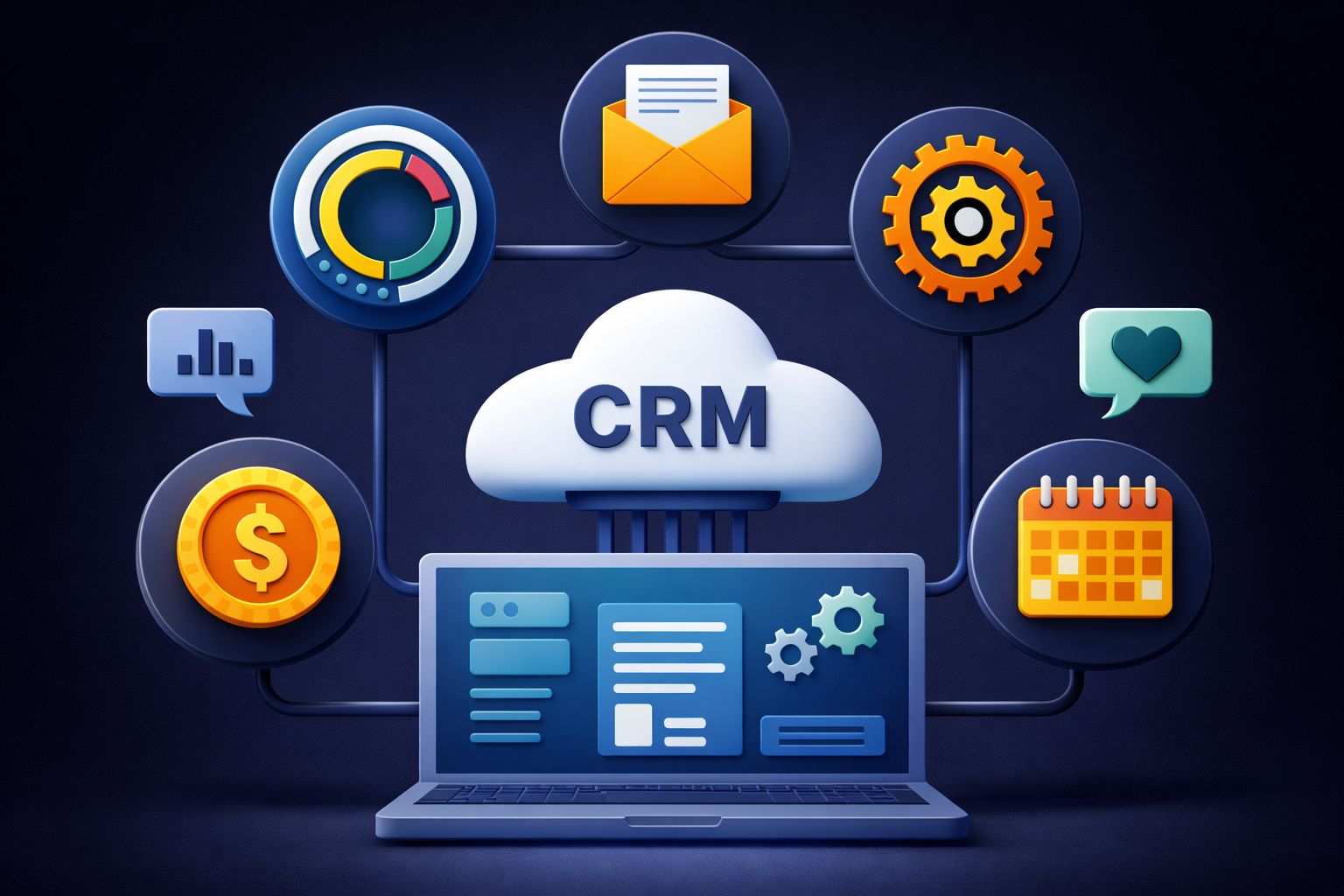
Integration capabilities link contract data to CRM, ERP, procurement, and financial systems. That means no more data silos, and contract obligations flow to the right teams without anyone having to chase them down.
When contracts connect with other business systems, organizations can close deals faster and hire more efficiently. Partnerships across the company just move smoother—it's noticeable.
A centralized repository with strong search features becomes the single source of truth for all commitments. Teams find what they need in seconds, not hours, and leadership can finally make decisions based on solid, complete data instead of piecing things together from scattered info.