Customer relations is the way a company builds and maintains meaningful connections with its customers over time. It covers every interaction a customer has with a business, from the firstmarketing touchpointtopost-purchase support, creating a cumulative experience that can determine whether customers stick around or wander off to a competitor.
Unlike those one-off customer service moments, customer relations is a company-wide thing that shapes long-term value and sustainable growth. Every email reply, product delivery, support call, or social media comment adds to the overall relationship.
All these touchpoints pile up to form the customer's perception of a business. Each moment is a chance to strengthen—or accidentally weaken—the connection.
Understanding how these interactions fit together helps companies create consistent experiences. That's what builds trust and satisfaction across all channels.
Companies that invest in customer relations see real improvements in retention rates, higher customer lifetime value, and steadier revenue streams. This guide digs into the basics of customer relations, strategies that actually work, and the tools and team structures that can turn casual buyers intolong-term advocatesfor your brand.
Why Customer Relations and Customer Service Aren't the Same Thing
Customer service is about handling problems as they pop up, while customer relations is aboutbuilding lasting connectionsthat prevent headaches and deepen loyalty. The two have pretty different timelines and strategies.
When Customer Service Solves Problems (Reactive Support)
Customer service is the frontline team when customers hit a snag. Reps handle issues through phone, email, live chat, or support tickets.
Commoncustomer serviceinteractions include:
- Troubleshooting technical issues
- Handling returns and exchanges
- Answering product questions
- Checking order status and tracking deliveries
- Sorting out billing or payment problems
These moments happen in real-time and need a quick fix. A customer reaches out with a specific need, and the service team jumps in to help.
It's a reactive job—teams wait for customers to make the first move. But these interactions are goldmines for learning about pain points, FAQs, and product weaknesses.
Feedback from these moments can help shape better products and smoother processes.
How Customer Relations Builds Long-Term Loyalty (Proactive Strategy)
Customer relations, on the other hand, is all about being proactive—reaching out before problems even show up. Teams design programs and campaigns to strengthen connections at every step of the customer journey.
Proactive customer relations initiatives include:
These activities roll out whether or not a customer has a problem. The aim is to create positive experiences and boost lifetime value.
Customer relations teams work with sales and marketing to map the whole customer journey. They look for ways to add value at every stage, from first purchase to renewal.
One-time buyers can turn into advocates who tell others about your brand.
What Your Business Gains from Strong Customer Relationships
Strongcustomer relationsbring real financial benefits—lower acquisition costs, higher lifetime value, and a stronger brand. Plus, it makes for a workplace where people actually want to show up.
Revenue Growth Through Retention and Repeat Business
Keeping customers is way more cost-effective than chasing new ones. According to Bain & Company, landing a new customer costs five to 25 times more than keeping an existing one.
Retained customers also spend more. Studies show repeat customers spend 67% more than newbies, so the impact on revenue really adds up.
Key financial metrics influenced by customer relations:
- Customer lifetime value (CLV): Grows as relationships deepen and purchases stack up
- Churn rate: Drops when companies invest in relationships
- Revenue per customer: Climbs thanks to upselling and cross-selling with loyal customers
McKinsey & Company found that companies focused on customer experience see revenue growth 5-10% higher than their competitors. It’s hard to argue with numbers like that.
Building Your Brand's Reputation and Competitive Edge
Customer relations create invisible assets that boost your market position. Happy customers become brand advocates, spreading the word at no extra cost.
Qualtrics says 70% of consumers recommend brands after positive experiences, and in some places that jumps to 83%. Those referrals matter.
Positive online reviews—often a direct result of strong relationships—can sway potential buyers. Harvard Business Review points out that companies with great customer relations can hold their prices because customers value the relationship, not just the product.
Competitors can copy your products, but they can't fake a genuine relationship. Deloitte found that companies built on relationships see their customers become less price-sensitive.
Brand equity from consistent positive experiences acts as a moat. Customers who feel valued stick around, spend more, and even defend your brand online.
The Surprising Impact on Your Team's Morale
Employee morale gets a real boost when customer relationships are strong. Teams dealing with satisfied, loyal customers have less stress and more job satisfaction.
Microsoft found that employees who see positive customer outcomes report higher engagement. That feels pretty intuitive, honestly.
Ways customer relations lift employee morale:
- Fewer conflicts and complaints make for a better work environment
- Positive feedback from customers reinforces a sense of purpose
- Lower churn means less time spent on chasing new business
Zendesk data shows a link between customer satisfaction and employee retention. When customers treat staff well, employees feel more valued and stick around.
Accenture reports that companies with strong customer relations see 23% higher employee retention. People want to work where customers are happy and appreciative.
When interactions are collaborative, not adversarial, it creates a cycle where happy employees make for happier customers—and vice versa.
Your Action Plan for Stronger Customer Relationships
Building lasting customer relationships takes work across four areas:streamlining operationsto save customers’ time, using communication that feels real, embeddingcustomer-centric valueseverywhere, and tracking progress with proven metrics.
Operational Excellence That Customers Notice
Operational improvements show customers you respect their time. Cutting wait times is a big win, since speed of service is almost always a top priority.
Self-service options let customers help themselves. Knowledge bases, FAQs, and interactive troubleshooting tools mean customers can get answers anytime, not just during support hours.
These tools also free up support teams to handle the trickier stuff.
Streamlining processes is key. Shorter checkouts, fewer form fields, and automation all make life easier for your customers.
Organizations should take a hard look at every step in the customer journey to find and eliminate friction.
Keyoperational improvementsinclude:
- Live chat for instant help
- Video tutorials for common issues
- Mobile-optimized experiences
- Automated order confirmations and shipping updates
- Flexible returns and exchanges
Communication Strategies That Build Real Connections
Personalization turns bland interactions into real conversations. Email campaigns that reference past purchases or customer interests get much better engagement than generic blasts.
Using a customer’s name and tailoring content shows you’re paying attention.
Active listening is underrated. Support teams should ask clarifying questions, repeat back what they’ve heard, and acknowledge customer feelings before jumping to solutions.
This builds trust and sometimes uncovers issues the customer didn’t even mention.
Meeting customers where they are means being present on the channels they prefer—email, social media, text, whatever works. Some want a quick DM, others want a detailed email.
Social media is also a chance to show off your responsiveness to a wider audience.
Transparency goes a long way. If there’s a delay or a problem, being upfront builds credibility, even if the news isn’t great.
Creating a Customer-First Culture Throughout Your Organization
A customer-first culture isn’t just for the support team—it should run through every department. Leadership needs to model this and empower everyone to put customers first.
This isn’t a one-and-done project; it’s ongoing.
Trust builds through consistency. Customers want to reach the right person quickly, not get lost in a maze of phone trees or wait for days.
Making yourself easy to contact shows you’re confident in your ability to help.
Customer appreciation doesn’t have to be fancy. Handwritten notes, birthday messages, or exclusive previews for longtime customers can mean a lot.
These gestures show customers are more than just transactions.
Community matters too. Forums, user groups, and social media communities let customers connect with each other and deepen their relationship with your brand.
User-generated content and peer support can be incredibly valuable.
Sharing feedback across teams ensures insights get to the people who can act on them. Sales, product, marketing, and support should all be in the loop.
This keeps everyone focused on what customers actually want.
Measuring Success and Continuously Improving
CSAT (Customer Satisfaction Score) captures how happy customers are with specific interactions. Quick surveys after purchases or support tickets can reveal a lot.
Tracking CSAT over time helps spot trends and areas that need work.
NPS (Net Promoter Score) looks at overall loyalty by asking how likely customers are to recommend you. It’s a decent predictor of growth and CLV.
Both promoter and detractor feedback are worth digging into.
Customer effort score measures how much work customers have to do to get what they want. Lower effort means higher loyalty and more repeat business.
This metric can highlight friction that other scores miss.
Continuous improvement is about turning feedback into action. Analyzing customer input regularly can reveal patterns that need systematic changes.
Organizations should set up feedback loops so insights lead to real operational tweaks and product updates.
Testing, measuring, and refining keeps the customer experience moving in the right direction.
Technology That Transforms Your Customer Relationships
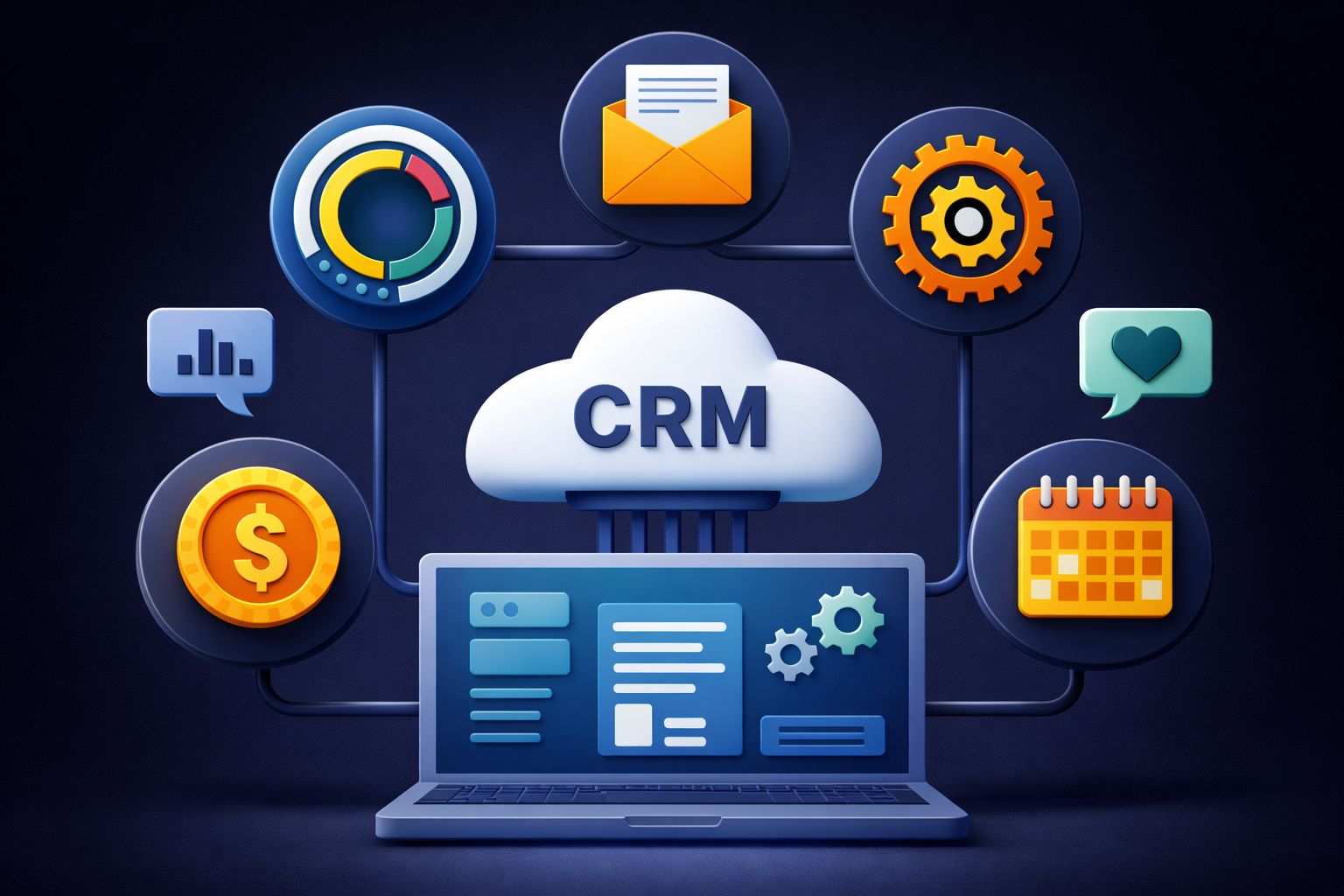
Modern customer relations technology is a mix of data management, real-time communication, and smart automation. The right blend ofCRM platforms, support tools, and AI can help businesses understand, respond to, and even anticipate what customers need.
CRM Systems and Customer Data Platforms You Need
CRM software is the intelligence hub for customer relationships. These platforms pull together data from every touchpoint, so you’re not juggling scattered spreadsheets or missing key details.
Core CRM features include contact management systems that track every interaction, customer segmentation to group contacts by behavior, andsales trackersto monitor pipeline progress.
Centralized data means no more duplicate records and everyone’s working from the same up-to-date info. Interaction tracking logs emails, calls, meetings, and purchases, so you’ve got a complete timeline.
Reporting dashboards turn all that data into insights you can actually use. Spot patterns, measure response times, and forecast revenue based on what’s happened before.
Salesforce is great for big enterprises that want lots of customization. HubSpot is more approachable for small to mid-sized businesses, especially if you want marketing integration. Zoho is budget-friendly and modular.
Industry-specific CRMs are on the rise, too. Manufacturers might need deep ERP integration and SKU-level analytics, while service businesses care more about scheduling and client communication.
Help Desk and Live Chat Solutions for Real-Time Support
Help desk software and live chat tools let businesses wrangle customer questions across all sorts of channels. These systems turn what used to be a mess of reactive support into something you can actually track and organize.
Ticket management means every customer request gets logged with its own priority and assigned to the right person. Conversation history keeps the context alive, so customers aren’t stuck repeating themselves.
Multi-channel integration is a big deal. It pulls together email, phone, social media, and website chat into one spot, so support teams aren’t constantly switching tabs.
Live chat tools are there for those make-or-break moments. Customers get instant answers about products, pricing, or whatever’s on their mind—no waiting around.
ProProfs Help Desk handles ticket routing and ties into their knowledge base. ProProfs Chat lets you engage visitors proactively, based on what they’re doing on your site.
Key features to look for:
- Automated ticket routing so nothing falls through the cracks
- Canned responses for those questions you get a hundred times a day
- Real-time typing indicators and read receipts
- Mobile support, because support teams aren’t always at their desks
- CRM integration, so you’ve got the full customer picture
Conversational analytics can show you where things are going wrong—maybe there’s a product issue, or your documentation isn’t hitting the mark.
AI and Automation That Scales Your Personal Touch
AI-powered toolscan take a lot of grunt work off your plate, but they’re not just about efficiency. Generative AI can whip up custom email replies, sum up long customer chats, and even suggest recommendations based on what someone’s bought before.
Predictive analytics spots leads with real promise. It can also flag customers who might be about to bail. Machine learning crunches a mountain of data to forecast who’s likely to convert—or who needs a little extra attention before they walk.
Chatbots tackle the easy stuff instantly, day or night. They’ll answer shipping questions, handle returns, and walk customers through troubleshooting. If things get too hairy, they hand it off to a human, with all the details intact.
Automated workflows kick in based on what customers do. New sign-up? Send a welcome series. Abandoned cart? Fire off a reminder. Support ticket dragging on? Escalate it automatically.
Self-service portals are a lifesaver for customers who’d rather figure things out themselves. Searchable knowledge bases and community forums put the answers right where people need them.
How well AI works depends on how deeply it’s woven into your systems. If your CRM, support history, and behavioral analytics all talk to each other, you’ll get smarter predictions and more useful automation.
Most CRM AI is still hooked up to third-party APIs, not built from scratch. So, how quickly you can set it up and how clean your data is—that’s what really makes the difference.
Human agents? Still absolutely necessary. Tech is great for scale and speed, but when it comes to tricky situations or building real trust, you need people who can think on their feet.
Building Your Customer Relations Dream Team
Getting customer relations right starts with the team. You need folks with natural people skills and a willingness to learn the tech side.
It’s not just about hiring—structured training matters, and honestly, building relationships is everyone’s job, not just one department’s.
Essential Qualities Every Customer Relations Professional Needs
The best customer relations pros just get people. Empathy is the backbone. If someone’s upset about a late delivery, they want to feel heard—not just get a canned apology.
Adaptability is a must. Some customers want the full story, others just want the fix. And communication skills need to be sharp in writing and conversation, since you’re bouncing between email, chat, phone, and social media.
Active listening is what separates the good from the great. That means actually hearing what customers say, asking follow-up questions, and making sure you understand before jumping to solutions.
Composure under pressure is huge—angry customers happen, and it’s easy to lose your cool.
On the ops side, organization and time management keep everything moving. A positive attitude makes a difference, even on rough days. And responsibility? That’s about seeing things through, not passing the buck.
Training Programs That Develop Customer Relations Excellence
Training can’t just be a one-off. New hires need deep product knowledge right out of the gate, so they’re not left guessing when customers ask tough questions.
Soft skills training is just as important. Think: active listening, showing empathy, and staying calm when things get tense. Role-playing helps—better to practice with a teammate than with an angry customer.
Problem-solving techniques are key. You want reps who can dig into issues, figure out what’s really going wrong, and fix it. Training should also cover CRM systems and analytics platforms—the tools that keep track of customer history and preferences.
Continuous learning keeps everyone sharp. Workshops, certifications, and skill checks make sure the team’s always ready for new products or shifting customer expectations.
Monthly sessions on new features or trending customer issues help the team stay ahead.
Who's Actually Responsible for Customer Relations
Customer relations isn’t just a department—it’s a team sport. Sure, there are dedicated roles, but everyone from sales to product to marketing shapes how customers feel about your company.
The Chief Customer Officer sets the big-picture strategy and makes sure customer voices are heard at the top. They connect feedback to business decisions and keep everyone aligned.
Customer Relations Managers turn that strategy into action. They track performance, analyze what’s working (and what’s not), and get other departments on board to fix systemic issues.
Customer Relations Representatives are on the front lines. They handle daily interactions, gather feedback, and spot patterns that might need management attention.
Sales teams kick off the relationship and set expectations. Product teams use feedback to improve what you offer. Marketing shapes the story customers hear. It all adds up—relationship quality is everyone’s job, not just one group’s.
Making Customer Feedback Your Competitive Advantage
Customer feedback is more than a scorecard. It’s actionable intel—what people love, what drives them nuts, and where you can stand out.
Organizations that collect, analyze, and actually act on feedback? They end up with stronger relationships and a real edge over competitors who just chase survey numbers.
How to Gather Meaningful Feedback from Your Customers
You need more than one way to get the full picture. Different channels catch different insights, depending on context and mood.
Primary Collection Methods:
- Surveys right after purchase or support interactions—short and sweet works best
- Reviews on Google, Trustpilot, and industry sites—unsolicited, raw, and honest
- Social listening on Twitter, LinkedIn, Facebook, Reddit—catching what people say when they’re not talking to you directly
- Direct interactions via support calls, live chat, and email—sometimes complaints, sometimes gold
- Questionnaires for deeper dives into specific topics
- Focus groups for rich, qualitative feedback from a select group
Ask specific questions, not just “How was your experience?” Go for “What stopped you from finishing your purchase?” or “Which feature would actually help you get your work done?”
Timing matters. Ask for feedback while the experience is fresh—wait too long, and you’ll get vague answers or nothing at all.
Turning Data Into Customer-Centric Decisions
Feedback by itself isn’t worth much unless you make sense of it. You’ve got to spot patterns, not just react to random comments.
Analysis Framework:
Segment your feedback. Loyal customers want different things than new users or folks who have already left. That way, you know what’ll keep your best customers happy versus what attracts new ones.
Look for frequency. If a dozen people mention the same pain point, it’s probably a real issue—not just one person’s gripe.
Tie feedback to business metrics. If lots of customers complain about checkout being confusing, check if your cart abandonment rate is higher than it should be.
Showing Customers Their Voices Matter
If you collect feedback and don’t do anything with it, customers will notice—and not in a good way. People who take time to share expect a response, or at least some sign you’re listening.
Closed-loop feedback means you actually make changes based on what customers say, tell people about it, and give them credit for the idea.
Sodexo’s a good example—they survey facility users, then actually publish action plans that address the concerns. When employees see their cafeteria suggestions in place within weeks, they’re way more likely to keep giving feedback.
Spotify’s great at this too. When they added queue management after tons of user requests, they sent in-app messages saying “your feedback made this happen.” That kind of visibility really drives home that customers shape the product.
Respond on multiple channels. If a customer sends a detailed suggestion, a personal thank-you goes a long way. For bigger changes, announce it publicly—email, social, website updates—make it clear it’s “based on your feedback.”
Keep a public changelog or a “You asked, we delivered” page. It shows potential customers you’re listening and evolving, which can set you apart in a crowded market.
Don’t wait too long to respond. Customers get that big changes take time, but even a quick “we heard you” within a few days shows respect. If you can’t implement a suggestion, at least explain why—that honesty goes further than silence.
Making Every Customer Feel Like Your Only Customer
Treating each customer as if they're the only one? That takes real, intentional effort. It's about weaving personalization and genuine care into every single interaction.
This isn't just about ticking boxes—it’s about turning routine transactions into moments that actually mean something. When you pull that off, loyalty and trust tend to follow.
Key strategies for individualized customer attention:
- Usecustomer datathoughtfully
Track preferences, purchase history, and communication style to tailor each interaction. - Personalize communication
Address customers by name and reference past conversations or purchases. - Empower team members
Give staff the authority to make decisions that solve problems immediately. - Create memorable moments
Go beyond expectations with small gestures that show genuine attention to individual needs. - Listen actively
Focus completely on what the customer is saying without rushing to the next task.
Technology can help with all this—CRM systems and AI tools make personalization at scale possible. Still, you can't automate the human touch.
Data analytics might reveal patterns, but it's the person behind the screen who turns that info into something authentic. That's where the magic happens.
Customer interactions shouldn't sound like they're reading from a script. Train your team to spot the little things—recognize when someone’s a regular, or when someone’s just having a rough day.
A returning customer? They deserve a nod to their loyalty. Someone frustrated? Show a bit of empathy and try to fix things quickly.
Small details really do matter. Remembering a previous concern, checking in after a purchase, or even just acknowledging a birthday—these things show you actually see your customers as people, not just numbers.
Isn't that what keeps folks coming back?