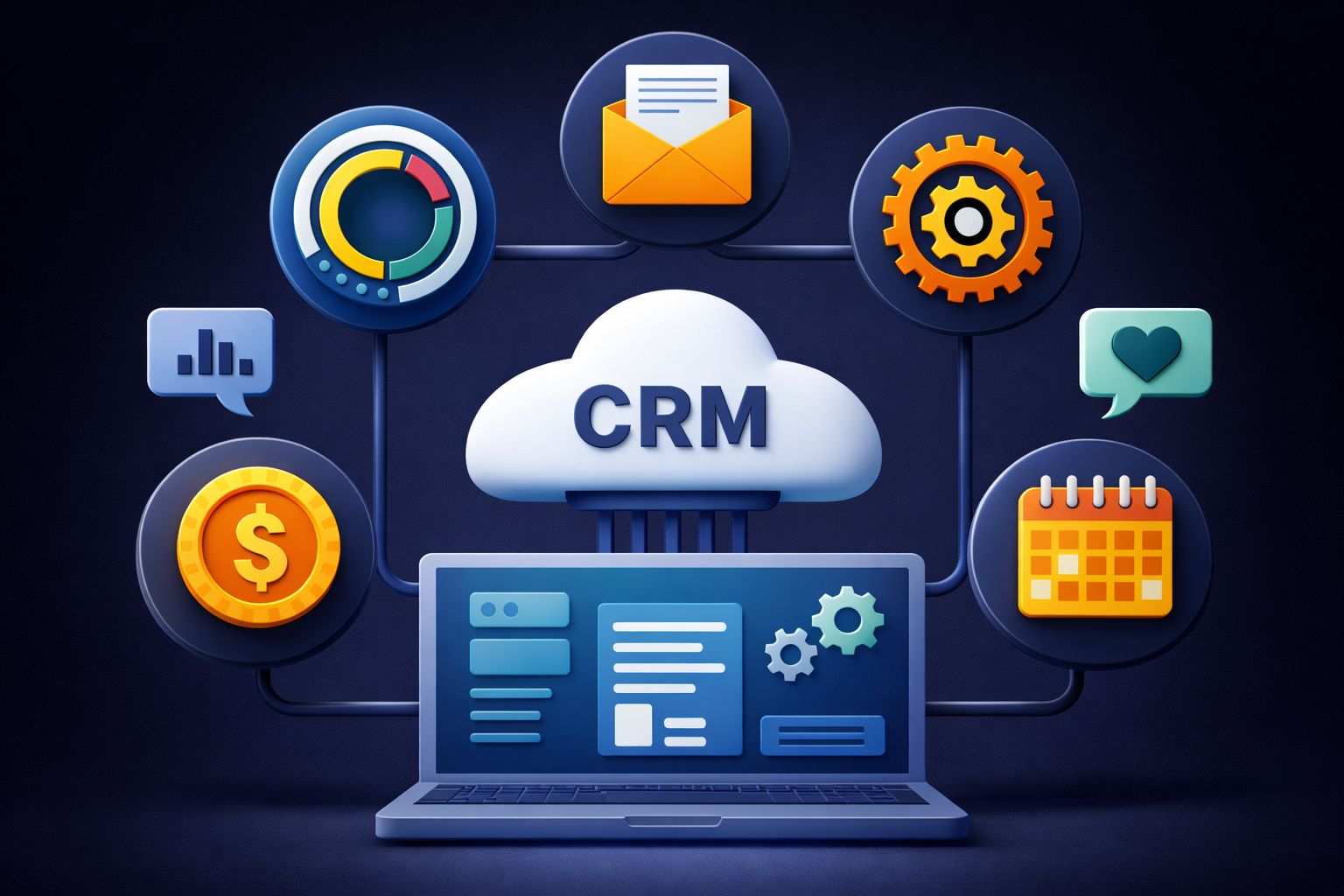
Customer relations is all about the big-picture approach a company takes to create and nurture long-term connections with its customers. It's not just a single department's job—it's a mindset that runs through every interaction, from the firstmarketing strategiesto post-purchase support and everything after.
This focus on relationship-building shapes how organizations think about customer experience. It can have a real impact on business growth—measurable, not just feel-good.
Every email, delivery, support call, or social media reply adds up. These little touchpoints, day in and day out, decide whether customers stick around or wander off to someone else.
When you start thinking about these interactions as opportunities, customer relations shifts from just putting out fires to actually building something lasting.
The business case for investing here goes way beyond happy customers. We're talking improved retention, higher customer lifetime value, and real movement on the metrics that matter.
Organizations that treat customer relations as a core philosophy—not just a box to check—see results across the board.
Why Customer Relations and Customer Service Aren't the Same Thing
Customer service is usually about reacting to problems as they come up. Customer relations, on the other hand, is more proactive—it's about building connections that last.
The difference? It's not about which is more important, but how and when each one shows up.
When Customer Service Solves Problems (Reactive Support)
Customer service teams are there when things go sideways. They're troubleshooting, handling returns, answering product questions, or resolving complaints through phone, email, chat, or social media.
This is the classic reactive model—jumping in when something breaks or a customer gets stuck. Acustomer servicerep might walk you through a password reset or explain warranty details.
Common reactive support activities include:
- Technical troubleshooting and bug resolution
- Returns processing and refund management
- Product specification and usage inquiries
- Billing dispute resolution
- Account access assistance
These frontline interactions are a goldmine for feedback—what's working, what's not, and where customers get frustrated. Service teams pick up on patterns that can guide bigger-picture decisions.
How Customer Relations Builds Long-Term Loyalty (Proactive Strategy)
Customer relations is more about looking ahead, not just reacting. It's about shaping the whole customer journey, not just the moments when things go wrong.
Think of loyalty programs that reward repeat business, or personalized emails based on what someone bought before. There arecustomer success initiativesthat help clients actually reach their goals.
These strategies are all about anticipating needs, not just waiting for a call.
Key proactive relationship strategies:
Customer relations teams look at patterns across all those touchpoints. Maybe they set up a customer advisory board, host exclusive events, or check in before issues even surface.
This kind of approach can turn satisfied buyers into brand advocates—people who refer friends and stick around for the long haul.
What Your Business Gains from Strong Customer Relationships
Strongcustomer relationsdon't just feel good—they deliver real financial results and some surprising side benefits, too.
Revenue Growth Through Retention and Repeat Business
Customer retention is a secret weapon for profitability. Bain & Company found that a 5% bump in retention can boost profits by 25% to 95%. That's a pretty wild multiplier.
It's much cheaper to keep existing customers than to chase after new ones. Harvard Business Review says acquiring a new customer can cost five to 25 times more than keeping the ones you already have.
Key financial metrics improve when customer relationships strengthen:
- Reduced churn rate means fewer customers leave for competitors
- Higher repeat purchase rate generates predictable revenue streams
- Increased customer lifetime value (CLV) multiplies the total profit per customer
Bain & Company notes businesses have a 60% to 70% shot at selling to existing customers, but only 5% to 20% with new prospects. Gartner says 80% of future revenue often comes from just 20% of current customers.
McKinsey & Company found that companies focused oncustomer experiencegrow revenue 1.4 times faster than competitors. The snowball effect of repeat business is hard to ignore.
Building Your Brand's Reputation and Competitive Edge
Customer relations shape how people see your brand. Strong relationships create real advocacy—something you can't just buy with ads.
Zendesk research found that 87% of customers sharepositive experienceswith others, but 95% will talk about negative ones. That word-of-mouth can swing both ways.
Epsilon says 81% of consumers need to trust a brand before they buy.Trust buildsthrough consistent, positive interactions.
Qualtrics found that companies with great customer experience can charge up to 16% more than competitors. People will pay for relationships they trust.
Reputation benefits that drive competitive advantage:
- Positive online reviews improve search rankings and conversion rates
- Word-of-mouth referrals reduce marketing costs
- Brand loyalty creates barriers against competitor advances
- Premium positioning becomes sustainable without constant discounting
Deloitte says customer-centric companies are 60% more profitable than those that aren't. Accenture reports 91% of consumers are more likely to shop with brands that know them well and offer relevant recommendations.
The Surprising Impact on Your Team's Morale
Customer relations don't just affect customers—they impact your team, too. When employees see customers treated well, morale goes up.
Microsoft found companies with great customer experience have 1.5 times more engaged employees. Positive customer interactions make work more rewarding.
Vonage reports 68% of employees feel more motivated when they can deliver excellent service. Relationship-focused workplaces tend to have less stress since employees have the freedom to actually help people.
The morale connection shows up in a few ways:
- Employees take pride in representing respected brands
- Problem-solving authority reduces frustration and burnout
- Positive customer feedback reinforces job satisfaction
- Team retention improves when workplace culture values relationships
If companies ignore customer relations, employees end up delivering bad news or enforcing rigid rules. That can turn the workplace toxic, fast.
On the flip side, empowering teams to build relationships makes customer service feel like a meaningful responsibility—not just a chore.
Employee retention is better when people believe their company treats others fairly. The same things that build customer loyalty also build employee loyalty.
Your Action Plan for Stronger Customer Relationships
Building stronger customer relationships isn't magic—it takes real action in four areas: streamlining operations, developing genuine communication, embedding customer-first thinking everywhere, and measuring what matters forongoing improvements.
Operational Excellence That Customers Notice
Operations matter. Reducing wait times with better staffing, smarter routing, and efficient workflows tells customers you value their time.
Self-service is a big deal, too. Knowledge bases, FAQs, chatbots, and video tutorials let customers solve problems on their own terms. Just make sure these tools are actually helpful, easy to search, and updated with real questions people ask.
Process optimization is about removing friction. Map thecustomer journeyto spot where people get stuck or annoyed. Simplify forms, cut unnecessary steps, and automate routine stuff like appointment reminders.
Key operational improvements:
- Implement callback systems to eliminate hold time
- Create step-by-step guides with screenshots for common processes
- Use process automation for repetitive tasks
- Offer multiple payment methods and flexible scheduling
- Design mobile-responsive interfaces for on-the-go access
Investing in customer relationship management tech helps teams pull upcustomer historyfast, so customers don't have to repeat themselves. Integrated systems meandata flows seamlessly, making for quicker, smoother resolutions.
Communication Strategies That Build Real Connections
Personalization is where things get interesting. Using customer names, referencing past purchases, and making recommendations based on actual behavior shows you're paying attention.
Segmented email campaigns based on preferences or purchase history work way better than generic blasts.
Active listening is underrated. Teams need to really hear what customers are saying, not just wait for their turn to talk. That means asking clarifying questions, repeating back what you heard, and acknowledging how the customer feels before jumping into solutions.
Omnichannel communication is pretty much expected now. Some people want to call, others prefer chat, and plenty expect fast replies on social media. You need to be where your customers are, with consistent quality.
Effective communication techniques:
Transparency counts for a lot, especially when things go wrong. Customers value honest explanations and realistic timelines over excuses. Owning mistakes and outlining fixes builds trust.
Creating a Customer-First Culture Throughout Your Organization
Customer-first culture isn't just for the service team—it needs to reach every department. Product, marketing, ops—they all need to think about how their choices affect customers.
It starts at the top. When leadership puts customer experience on the agenda, in budgets and reviews, everyone else gets the message.
Sharing customer feedback across teams keeps everyone connected to the impact of their work.
Appreciation doesn't have to be flashy. Handwritten notes, anniversary shoutouts, sneak peeks at new stuff, or just a genuine thank you go a long way.
Community matters, too. Online forums, user groups, advisory boards, or exclusive events help customers feel like they're part of something, not just a transaction.
Cultural elements that prioritize customers:
- Cross-functional teams include customer service representatives
- Employee training emphasizes customer impact of their roles
- Customer stories are shared in company communications
- Incentive structures reward customer satisfaction metrics
- Feedback loops ensure customer input reaches decision-makers
Accessibility means customers can actually reach someone who can help. Clear contact info, reasonable response time expectations, and escalation paths for tricky issues keep frustration down.
Measuring Success and Continuously Improving
Customer satisfaction score (CSAT) is a quick way to check how happy customers are after an interaction. Short surveys right after service can highlight where things are working (or not).
Net Promoter Score (NPS) asks how likely customers are to recommend you. It's a big-picture metric that shows if you're building real relationships. Following up with unhappy customers gives you a shot at fixing what's broken.
Customer effort score looks at how easy it is to do business with you. Lower effort means higher loyalty, so it's a key metric for spotting friction.
Measurement framework:
- Collect feedback through surveys, reviews, and direct conversations
- Analyze patterns in complaints, questions, and praise
- Identify specific issues causing customer friction
- Prioritize improvements based on impact and feasibility
- Implement changes and communicate them to customers
- Measure results and adjust approach as needed
Regular reviews are non-negotiable. Monthly ticket analysis, quarterly satisfaction checks, and annual experience audits keep you focused on what matters.
Analytics tools can spot trends before they turn into big problems. Tracking repeat purchase rates, churn, and average resolution times gives you early warning signs. Acting fast shows customers you're paying attention.
Technology That Transforms Your Customer Relationships
Modern customer relations tech solves a few big headaches: centralizing data for personalized interactions, delivering real-time support across channels, and automating the boring stuff without losing the human touch.
The right mix ofCRM platforms, support tools, and AI-powered automation can make things efficient—and still feel personal.
CRM Systems and Customer Data Platforms You Need
CRM software is the operational backbone for managing customer information and interactions. These platforms pull in data from sales, marketing, and service touchpoints, storing everything in one place that teams can actually use.
A few core features really set effective CRM platforms apart from your basic contact managers:
- Data centralization pulls together customer info, purchase history, and all those communication records.
- Customer segmentation groups contacts by behavior, demographics, or how engaged they are.
You also get:
- Interaction tracking that logs emails, calls, meetings, and support tickets without anyone needing to remember.
- Reporting that turns all that data into insights about customer health and sales performance.
Salesforce is the giant here, especially for enterprises needing heavy customization and lots of third-party integrations. HubSpot, on the other hand, is more approachable for small and medium businesses with its friendlier interface and bundled marketing tools. Zoho is another favorite, especially for businesses watching costs or dealing with high volumes.
Sales trackers inside these systems keep an eye on pipeline progress and revenue forecasts. Contact management features help teams avoid those dreaded information silos. The most valuable platforms are the ones that play nicely with your existing business tools—no one wants to reinvent their entire workflow just for a new system.
Help Desk and Live Chat Solutions for Real-Time Support
Help desk software keeps customer inquiries organized, while live chat tools let you offer help right when customers are deciding what to do next. These tools matter because people expect fast, accessible support.
Ticket management systems send questions to the right team members based on who knows what, how urgent it is, or who's got bandwidth. Conversation history means customers don't have to repeat themselves, which is honestly a huge relief for everyone.
Multi-channel integration pulls email, chat, social media, and phone support into a single dashboard. That way, agents aren't bouncing between tabs or missing context.
ProProfs Help Desk automates tickets and connects to a knowledge base for self-service. ProProfs Chat lets you reach out to visitors with targeted messages, depending on what they're doing on your site. Both tools track things like response times and resolution rates—metrics that actually move the needle on customer satisfaction.
Real-time support really shines when automation and actual humans work together. People want fast answers, but nobody likes feeling like they're talking to a robot.
AI and Automation That Scales Your Personal Touch
AI-powered toolstake care of repetitive stuff so you can keep interactions personal, even as your customer base grows. It's not about replacing people—it's about letting them focus where it matters.
Chatbots answer common questions instantly and can hand off tricky issues to real people. Generative AI drafts personalized email replies using customer history and the context of their inquiry. Predictive analytics spot at-risk accounts before they leave, and highlight upsell opportunities based on how customers actually use your product.
Automated workflows handle follow-ups, update records, and assign tasks without anyone needing to remember. Self-service portals let customers track orders or update info on their own schedule. Conversational analytics dig through thousands of support interactions to flag recurring problems and training gaps.
All this tech works best when it's tied into your CRM data.AI toolsthat know your industry can make smarter recommendations than generic ones. Manufacturers use predictive models for inventory talks, while service businesses lean on them for renewal forecasting.
The best results come when AI tackles high-volume, simple tasks and humans step in for the nuanced, emotional, or creative stuff. It's about efficiency and real connection—not just automation for its own sake.
Building Your Customer Relations Dream Team
Building a strong customer relations team isn't just about hiring for experience. It's about finding people with the right interpersonal skills and making sure they keep learning.
You need clarity on who owns what in the customer journey and how those roles work together.
Essential Qualities Every Customer Relations Professional Needs
Empathy is the foundation. If you can't genuinely understand a customer's frustration or confusion, it's hard to build trust. Scripts only go so far—real connection comes from anticipating needs before they become complaints.
Communication skills aren't just about being clear. The best pros adjust their language to fit each customer's technical know-how and emotional state. Sometimes you need to be brief; sometimes, details matter.
Active listening is what separates good service from great relationships. It's about hearing what's not said, picking up on hesitation, and asking the right questions before jumping into solutions.
Composure under pressure keeps things productive, especially when customers are upset or confused. Staying calm helps de-escalate and move toward a resolution.
Adaptability is key because customer expectations and channels are always shifting. The pros who can adjust on the fly handle just about anything.
Practically, you also need organization and time management to handle multiple customers at once. A positive attitude shapes how customers see your whole company, even when delivering tough news. And responsibility means owning issues until they're actually resolved, not just passing the buck.
Training Programs That Develop Customer Relations Excellence
Training starts with product knowledge—not just what features exist, but how they solve real customer problems. Team members need to know the use cases and common snags.
Soft skills development isn't a one-and-done workshop. It takes ongoing practice, like role-playing for empathy or communication strategies tailored to different personalities. The best training uses real customer scenarios your team has actually faced.
Problem-solving techniques give people a framework for tackling complex issues. That means teaching diagnostic approaches, escalation paths, and how to brainstorm creative fixes.
Tool proficiency matters, too. Team members should know their way around CRM systems, analytics platforms, and communication software. Logging interactions, accessing history, and using data to personalize conversations should feel second nature.
Continuous learning keeps everyone sharp as customer expectations change. Monthly sessions, peer learning groups, and access to industry resources help prevent skills from getting stale.
Who's Actually Responsible for Customer Relations
Customer relations isn't just one department's job. Every team that touches the customer experience shapes the relationship.
Chief Customer Officers set the overall relationship strategy at the executive level. They decide how the company will prioritize customer needs, allocate resources, and measure relationship health beyond just satisfaction scores.
Customer Relations Managers turn strategy into daily action. They oversee team performance, spot training needs, analyze relationship patterns, and work across departments to fix bigger issues affecting customers.
Customer Relations Representatives are on the front lines. They handle the day-to-day interactions, solve problems, collect feedback, and represent the company across all channels.
Cross-functional collaboration is crucial. Sales teams share what they're hearing from prospects. Product teams need feedback to guide development. Marketing shapes messaging based on how real customers describe their experience.
So, relationship quality depends on how well these groups coordinate—not just on hiring a stellar customer relations team.
Making Customer Feedback Your Competitive Advantage
Customer feedback can be a real differentiator. The best businesses collect input from all sorts of channels, analyze it for patterns, make changes based on what they find, and then let customers know what's improved.
Companies that gather feedback but never act on it? They risk damaging trust and losing out to competitors who treat customer voices as business intelligence.
How to Gather Meaningful Feedback from Your Customers
Collecting useful feedback means picking the right method for your business and where the customer is in their journey.
Surveys and questionnaires are great for structured data. Post-purchase surveys grab immediate reactions, while things like Net Promoter Score (NPS) or Customer Effort Score (CES) track loyalty and friction over time. Keep them brief and focused—nobody likes a 10-minute survey.
Reviews and ratings come in unsolicited and reflect what customers really think. Monitoring platforms like Google Reviews, Trustpilot, or industry-specific sites shows what people say when they're not prompted.
Social listening catches conversations happening outside your official channels. Watching Twitter, LinkedIn, Reddit, and Facebook can reveal pain points customers might never tell you directly.
Direct interactions—support tickets, chat logs, calls—hold tons of context about what went wrong and how customers felt about the fix.
Focus groups dig deeper, especially when launching something new or exploring more complex needs. Small group discussions can uncover the "why" behind preferences.
Each method has its place—surveys for scale, focus groups for depth. Using a mix gives you a fuller picture of customer sentiment.
Turning Data Into Customer-Centric Decisions
Raw feedback is only useful if youanalyze it systematicallyto spot patterns and set priorities.
Categorizing feedback themes groups similar comments so you can see what issues actually matter—features, pricing, service, delivery, you name it. Automated tools help, but a human touch makes sure nothing gets misread.
Trend tracking shows if a problem is a one-off or something bigger. One complaint about checkout is probably just noise, but if it keeps coming up, it's time to act.
Prioritization frameworks help you figure out what to fix first. Usually, it's a mix of:
High-frequency, high-impact, and easy-to-fix issues should jump to the top of your to-do list. Smaller, less common problems might just need better documentation.
Segmenting feedback by customer type matters, too. Long-term customers' input can carry more weight than first-timers, and both perspectives help shape different improvement strategies.
Showing Customers Their Voices Matter
Collecting and analyzing feedback isn't enough.
Visible action and real communication—what folks call closed-loop feedback—are what actually turn all that input into something valuable.
Sodexo shook up its corporate dining by making menu changes employees had specifically asked for.
They didn't just stop there; on-site signs credited customers for those ideas, making it obvious that feedback was actually shaping the service.
Spotify has a habit of rolling out new features with little messages like "You asked, we listened."
It’s a small thing, but it connects the dots between what users want and what the company delivers.
When it comes to sharing updates, businesses should pick the right channel for the situation.
Email works if someone filled out a survey, but social media or in-app notes can reach a lot more people at once.
Sometimes, reaching out directly to the person who pointed out an issue just feels right—it shows you actually care.
Failed closed-loop feedback damages relationships more than never asking for input.
When people spend time giving thoughtful suggestions and never hear back, it's discouraging.
Some will even warn others that the company doesn't really care about customer opinions.
It’s not just about making changes—sometimes you have to explain why something can’t happen.
Even saying, "We heard your request for feature X, but our technical constraints currently prevent it," keeps trust alive.
At least customers know they were taken seriously, not just ignored.